
Leaving a Pet Home Alone: What's Reasonable, What's Risky, and What Helps
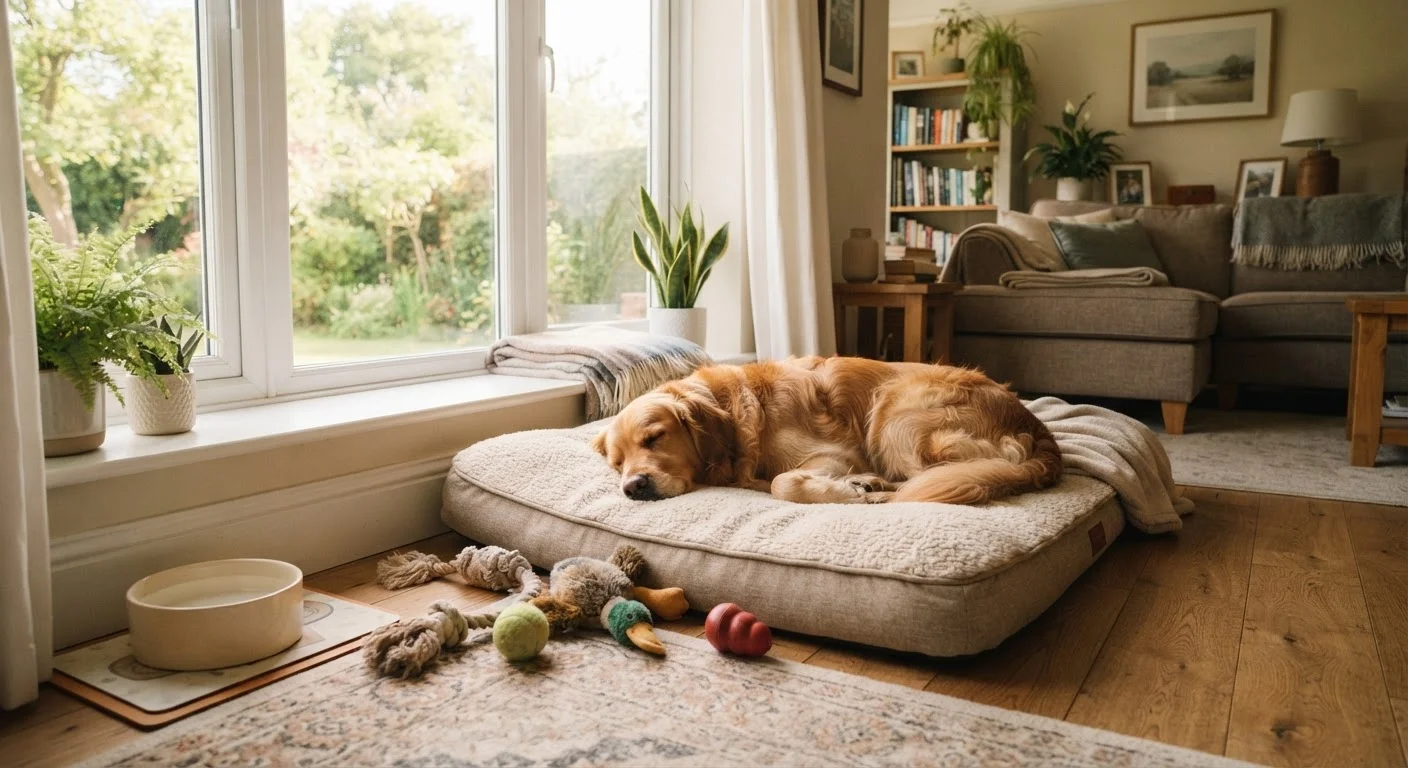
Photo credit: TurboBlogs.net | Explore Blogs At Turbo Speed
In this article
How long can a dog, cat, or small animal safely be left alone? A species-by-species look at needs, thresholds, and practical strategies.
How Long Is Too Long? A Species-by-Species Breakdown
One of the most common questions pet owners wrestle with - especially those returning to an office or traveling for work - is simply: how long is it actually okay to leave my pet alone? There's no single answer, because it depends heavily on species, age, and individual temperament.
| Max recommended alone time - adult dogs | 4-6 hours (American Kennel Club general guidance) |
| Max recommended alone time - cats | 24-48 hours with preparation (General veterinary consensus; varies by individual cat) |
| Puppy bladder threshold (8-10 weeks) | ~1 hour (ASPCA developmental guidelines) |
| Small animals (hamsters, guinea pigs) | Generally 24 hours max (Humane Society general guidance) |
| Pet owners who report guilt about leaving pets alone | Over 60% (Various pet ownership surveys; figure is approximate) |
| Dogs with separation anxiety (estimated) | ~14-20% (Research cited in veterinary behavioral literature) |
Dogs
Healthy adult dogs can generally manage 4 to 6 hours alone without significant distress, though some tolerate up to 8 hours occasionally. Puppies are a different story entirely - an 8-week-old puppy may only comfortably go about one hour between bathroom breaks. Leaving a young dog for a full workday is widely considered inappropriate by veterinary professionals without midday check-ins from a dog walker or trusted contact. Dogs are social animals; prolonged isolation can contribute to anxiety and destructive behavior.
Cats
Cats are considerably more independent than dogs. A healthy adult cat with adequate food, water, a clean litter box, and environmental enrichment can manage 24 to 48 hours alone - though most veterinary sources suggest that beyond 24 hours, arranging a check-in is prudent. Cats do form social bonds and can experience stress from extended solitude, even if they don't show it overtly. Our article on indoor vs. outdoor cat considerations explores how environment shapes a cat's baseline wellbeing.
Small Animals
Guinea pigs, rabbits, hamsters, and similar small animals are often underestimated in their needs. Most should not be left alone beyond 24 hours, as water bottles can malfunction, food can run out, and illness in small animals tends to escalate quickly. Rabbits, which are particularly social, fare better with more frequent interaction.
Warning Signs Your Pet Is Struggling
Animals don't always signal distress in obvious ways. Knowing what to watch for - especially when you return home - helps you assess whether your current arrangement is working.
Separation anxiety
A behavioral condition in which a pet becomes significantly distressed when left alone. Symptoms may include destructive behavior, excessive vocalization, or house-training regression, and often warrant guidance from a veterinarian or certified animal behaviorist.
Confinement training
A gradual process of acclimating a pet to a safe, enclosed space - such as a crate or gated room - so they associate it with comfort rather than punishment.
Enrichment
Activities, toys, puzzles, or environmental features that engage a pet's natural instincts and reduce boredom during periods of solitude.
Bladder threshold
The maximum comfortable period a pet can go without a bathroom break. This varies significantly by species, age, and health status.
Signs in Dogs
- Destructive chewing or scratching near exits
- House-training accidents despite being reliably trained
- Excessive barking or howling reported by neighbors
- Frantic greeting behavior or inability to settle after you return
- Pacing, drooling, or panting with no physical cause
Signs in Cats
- Over-grooming or bald patches
- Litter box avoidance
- Hiding more than usual or changes in vocalization
- Loss of appetite when alone for extended periods
If you notice persistent signs of distress, speak with your veterinarian before assuming it's purely behavioral. Some symptoms overlap with underlying medical issues. Our guide on signs your pet may be in pain can help you distinguish behavioral stress from physical discomfort.
Senior and Puppy Exceptions Apply
Puppies under six months and senior pets generally have shorter bladder thresholds and higher needs for supervision than healthy adult animals. The general guidelines in this article apply to healthy adults; if your pet is young, elderly, or has a medical condition, consult your veterinarian for personalized guidance. See more on how aging pets' needs shift as they grow older.
Home Safety Is Part of the Equation
Before leaving any pet unsupervised, verify that common hazards are out of reach. Many everyday items - from certain houseplants to cleaning products - pose serious risks to animals. Our reference on common household toxins for pets is a useful starting point for a safety audit.
Practical Strategies That Actually Help
If your schedule means your pet regularly spends significant hours alone, the goal is reducing both physical discomfort and psychological stress. None of these strategies require a large budget - consistency matters more than cost.
For Dogs
- Midday visits: A dog walker or trusted neighbor breaking up an 8-hour stretch into two 4-hour windows makes a meaningful difference.
- Exercise before departure: A solid walk before you leave helps a dog settle more easily.
- Enrichment: Food-dispensing puzzles, chew items, and rotating toys reduce boredom without requiring your presence.
- Confinement training: A crate or gated area - introduced gradually and positively - gives many dogs a sense of security rather than punishment.
For Cats
- Environmental enrichment: Window perches, bird feeders outside windows, and puzzle feeders keep cats mentally engaged.
- A companion: A second cat can dramatically reduce solitude stress, though introductions take time. See how to introduce a new pet without chaos for a structured approach.
- Automated feeders and water fountains: These address physical needs reliably, especially during longer absences.
For All Species
Before you're ever away for an extended period, do a home hazard check to make sure your space is secure. And if you're a first-time owner still calibrating expectations, our overview of what new pet owners should genuinely expect covers the bigger picture of daily responsibility.
This article provides general pet care information for educational purposes. It is not a substitute for personalized advice from a licensed veterinarian. If your pet shows signs of distress, behavioral changes, or health concerns, consult a qualified professional.

Author
Lifestyle & Shopping Editorial Team
Lifestyle & Shopping Editorial Team is the collective byline for our editorial team and contributor network. Articles published under this byline or an editorial pen name are researched, written, and reviewed according to our editorial standards for clarity, consistency, and independence before publication.
View all articles →