
Building a Shopping List That Actually Holds Up in the Store
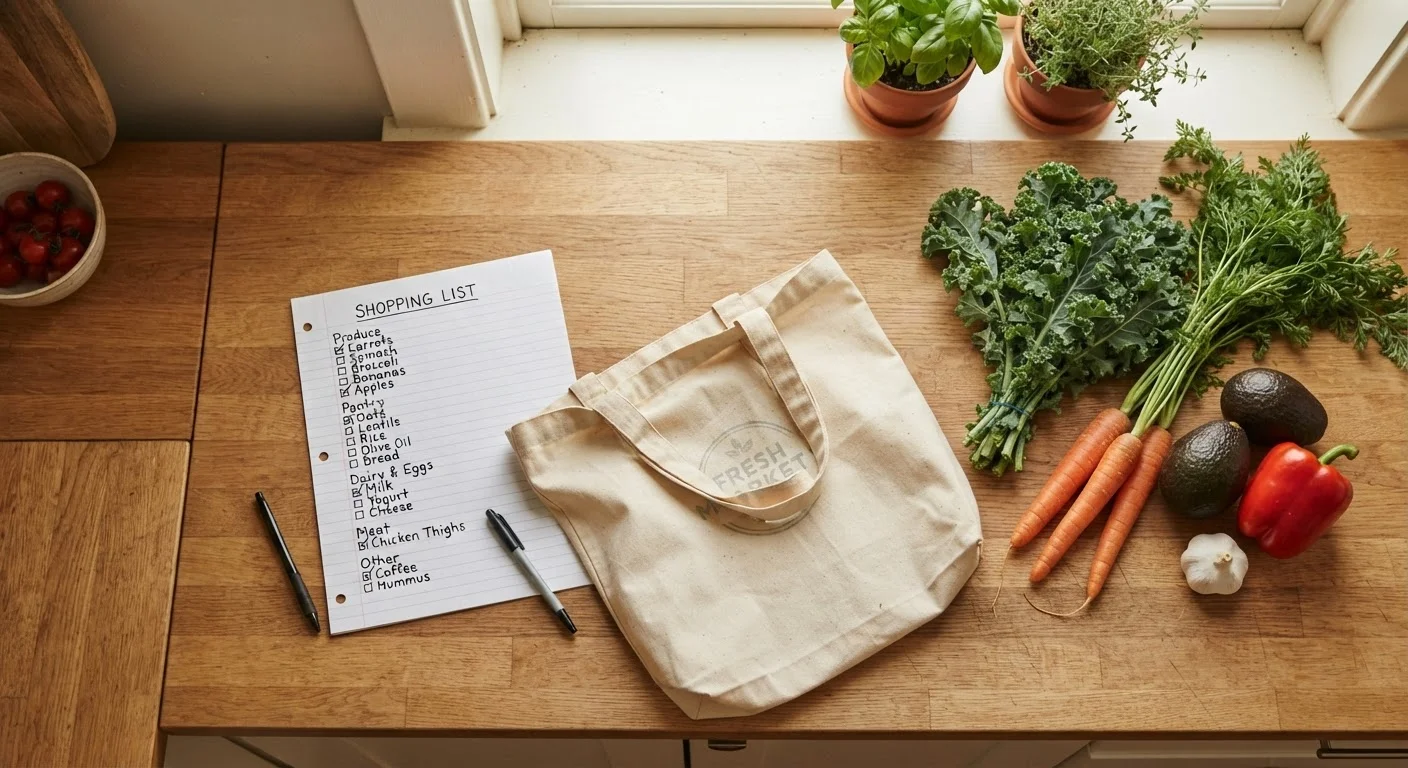
Photo credit: TurboBlogs.net | Explore Blogs At Turbo Speed
In this article
A well-made list does more than remind you what to buy. Learn how to structure one that reduces impulse purchases and keeps you on budget.
Key Takeaways
- Organizing your list by store section reduces browsing time and impulse buys.
- Checking your pantry before writing the list prevents duplicate purchases and waste.
- Attaching a rough budget to your list gives you a measurable target to hit.
- A needs-versus-wants review before leaving home removes low-priority items proactively.
- Digital lists sync across devices, while paper lists work offline without distraction.
Why Most Shopping Lists Fall Apart
A list scribbled on the back of an envelope isn't really a list - it's a loose collection of things you happened to remember. That kind of list gives you almost no protection against the two biggest in-store spending risks: impulse purchases and forgotten needs that send you back for a second trip.
Research on consumer behavior consistently points to the same pattern: shoppers without a structured plan buy more and spend more than they intend to. The store environment is optimized to encourage that. End caps, promotional displays, and strategic product placement all work against the unguarded shopper. A well-built list is your countermeasure.
This isn't about rigid frugality. It's about making your spending decisions at home - calmly, with full information - rather than under the influence of a carefully designed retail environment. For a broader look at how value-conscious shopping works across categories, the value-first shopping framework is worth reading alongside this guide.
Avoid Writing Your List at the Store
Composing or heavily editing your list while you're already shopping is one of the fastest ways to overspend. Store layouts are deliberately designed to maximize exposure to unplanned items. Build the list at home, where your thinking is calmer and the environment isn't engineered to sell you things.
What You'll Need
The tools here are minimal - this is one of those rare areas where more complexity tends to hurt more than it helps. Pick whatever method you'll actually use consistently.
Notepad or paper
A distraction-free surface for drafting your list before leaving home.
Smartphone notes or list app
Keeps your list accessible, shareable, and easy to edit on the go.
Weekly meal plan
Drives the list from actual planned meals rather than guesswork.
Pantry inventory
Prevents re-buying items you already own and reduces food waste.
What you will need
How to Build the List
Follow these steps in order before your next shopping trip. The whole process should take 10-20 minutes once it's a habit - and most of that time is the pantry check, not the writing.
A List Without a Budget Is Just a Wish
Writing down items is only half the job. Without even a rough spending target attached, a list offers no real guardrail against overspending. Before you head to the store, assign a realistic total to your trip - even a ballpark figure keeps decision-making grounded when you're standing in an aisle.
Take stock of what you already have
Before writing a single item, open the fridge, freezer, and pantry. Note what's running low, what's nearly gone, and what you already have in abundance. This five-minute audit is the single biggest waste-prevention habit you can build. It stops duplicate purchases cold and keeps your list grounded in reality rather than assumption.
Build the list around a meal or use plan
A list built around actual planned meals is far tighter than one written from memory. Even a loose plan - three dinners, lunches from leftovers, two breakfasts - tells you exactly what ingredients you need and in what quantities. This approach also naturally cuts down on items that sound appealing but have no clear purpose once you get them home.
Attach a spending target to the trip
Once your list is drafted, assign a rough budget for the visit. This doesn't have to be precise - a reasonable range works. Having a number in mind shifts your mindset from open-ended browsing to purposeful shopping. If you're working on overall spending habits, the budgeting basics hub has practical frameworks for building that number into your regular finances.
Separate needs from wants before you leave
Go through your draft list and mark each item as a need (planned, necessary) or a want (nice to have, not urgent). This isn't about banning wants - it's about making the choice consciously rather than at the shelf. If your budget is tight, wants are the first things to defer. If you have room, a few intentional splurges are fine. The key word is intentional. Reactive shoppers respond to what they see; intentional ones set the terms before they walk in - a distinction explored more in principles that separate intentional shoppers from reactive ones.
Organize the list by store section
Rewrite or reorder your final list grouped by store zone - produce, proteins, pantry staples, frozen, dairy, household, personal care. This isn't just about efficiency; it keeps you out of sections you don't need to visit, which is one of the most reliable ways to avoid unplanned additions to your cart.
Stick to the list - with one conscious exception rule
Commit to buying only what's on the list. If you spot something not on it, apply a simple pause: do you need it this week, and does it fit the budget? If yes to both, it can join the cart consciously. If not, leave it. This single habit addresses many of the shopping habits that quietly drain budgets without requiring extreme discipline - just a moment of reflection before adding something to your cart.
Making the Habit Stick
The first few times feel like extra work. That's normal. After a few trips with a properly structured list, the routine becomes faster and the savings become noticeable - both in dollars and in wasted food.
Group Items the Way Your Store Is Laid Out
Most grocery stores follow a predictable pattern: produce on the perimeter, dry goods in the middle, dairy and frozen at the back. Organizing your list to match that flow means fewer backtrack trips through tempting aisles. Even a rough zone-based grouping - produce, proteins, pantry, frozen, household - pays off every visit.
If you're also working on larger budgeting habits, choosing the right budgeting tool can help you track how grocery spending fits into your broader picture. And before any non-grocery purchase - clothing, household goods, electronics - the pre-purchase checklist applies the same thoughtful pause this list method builds into your grocery routine.
The goal isn't a perfect list every time. It's a consistent habit of deciding intentionally before you spend - and the list is the simplest structure that makes that possible.

Author
Lifestyle & Shopping Editorial Team
Lifestyle & Shopping Editorial Team is the collective byline for our editorial team and contributor network. Articles published under this byline or an editorial pen name are researched, written, and reviewed according to our editorial standards for clarity, consistency, and independence before publication.
View all articles →