
Loyalty Programs Aren't Always Loyal to You
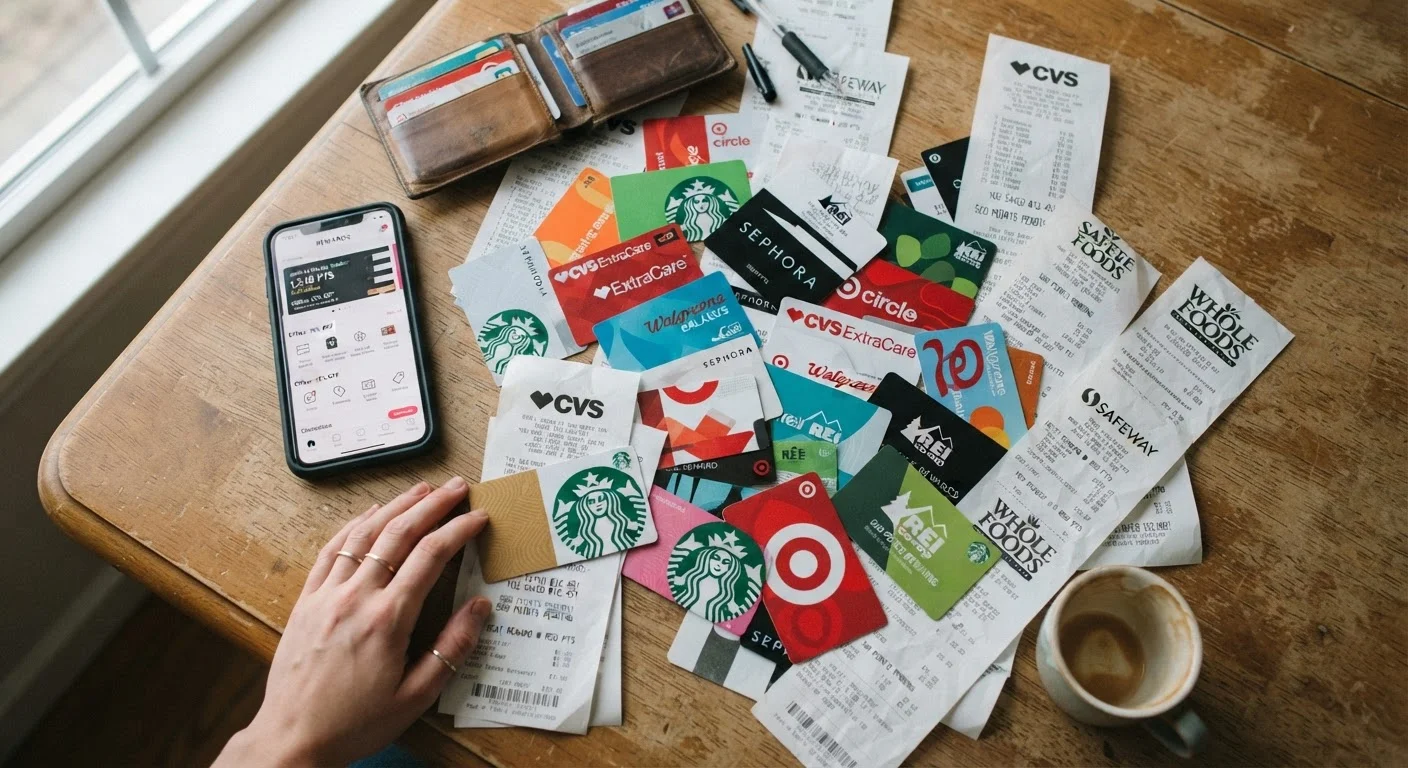
Photo credit: TurboBlogs.net | Explore Blogs At Turbo Speed
In this article
Points, tiers, and rewards sound great on paper. Here's an honest look at where loyalty programs deliver value—and where they quietly cost you.
Key Takeaways
- Loyalty programs can deliver real savings, but only if you engage with them intentionally.
- Points often expire, devalue, or come with restrictions that limit their practical usefulness.
- Signing up doesn't automatically mean you're getting a better deal than a non-member.
- The best loyalty programs reward consistent spending habits you already have.
- Chasing points can lead to overspending that outpaces the rewards earned.
Earn passive rewards on purchases you'd make anyway
When a program is well-matched to your existing habits, points or cashback accrue without any additional spending - functioning essentially as a delayed discount.
Early access and member-only pricing
Many tiered programs offer enrolled members advance notice of sales or exclusive pricing windows, which can translate to real savings for shoppers who plan ahead.
Useful data on your own spending patterns
Program statements and app histories can give you a surprisingly clear picture of where your money actually goes - useful information for budgeting.
Free perks with no behavior change required
Simple punch-card or spend-threshold programs at places you already frequent can deliver rewards - like a free item or a discount - at zero extra cost or effort.
Points can expire before you redeem them
Many programs set expiration windows - sometimes as short as 12 months of inactivity - meaning accumulated value can disappear without a clear warning from the retailer.
Programs can devalue or change terms unilaterally
Retailers can raise redemption thresholds, eliminate reward tiers, or cap earning rates with little or no advance notice, eroding the value of points you've already earned.
Encourages overspending to reach reward thresholds
The psychological pull of being "close" to a reward tier or bonus is well-documented; shoppers often spend more to cross a threshold than the reward itself is worth.
Your data is the real currency being exchanged
Enrollment typically authorizes extensive tracking of purchase behavior, which is used to target marketing - a trade-off that's easy to overlook when signing up.
Redemption restrictions limit practical usefulness
Blackout dates, category exclusions, minimum redemption amounts, and partner-only redemptions can make it genuinely difficult to use points in ways that feel rewarding.
The Appeal Is Real - Here's Why Programs Work
Loyalty programs tap into something genuinely motivating: the sense that every dollar you spend is quietly building toward something. And for many shoppers, that's not an illusion. When a program is straightforward - earn points, redeem points, get a discount - it can function as a simple, automatic rebate on purchases you were going to make anyway.
Grocery store fuel rewards, airline miles on a card you already carry, or a punch card at your regular coffee shop all share a common trait: they require almost zero behavior change to participate. That's the sweet spot. If the reward is layered on top of your existing habits rather than engineered to reshape them, the math tends to favor you.
Earn passive rewards on purchases you'd make anyway
When a program is well-matched to your existing habits, points or cashback accrue without any additional spending - functioning essentially as a delayed discount.
Early access and member-only pricing
Many tiered programs offer enrolled members advance notice of sales or exclusive pricing windows, which can translate to real savings for shoppers who plan ahead.
Useful data on your own spending patterns
Program statements and app histories can give you a surprisingly clear picture of where your money actually goes - useful information for budgeting.
Free perks with no behavior change required
Simple punch-card or spend-threshold programs at places you already frequent can deliver rewards - like a free item or a discount - at zero extra cost or effort.
For shoppers who appreciate a heads-up on sales before the general public, or who enjoy early access to new inventory, tiered programs can offer real lifestyle perks. Compare the fine print across programs the same way you'd compare any purchase - for a deeper look at alternative ways to save, see how loyalty stacks up against cash back, coupons, and promo codes.
Where Loyalty Programs Fall Short
The friction starts when a program's design prioritizes the retailer's interests over yours - which, frankly, is most of the time. Loyalty programs are a data-collection and retention tool first. The rewards are a cost of doing business, calibrated carefully so that a significant portion of earned points goes unredeemed.
Points can expire before you redeem them
Many programs set expiration windows - sometimes as short as 12 months of inactivity - meaning accumulated value can disappear without a clear warning from the retailer.
Programs can devalue or change terms unilaterally
Retailers can raise redemption thresholds, eliminate reward tiers, or cap earning rates with little or no advance notice, eroding the value of points you've already earned.
Encourages overspending to reach reward thresholds
The psychological pull of being "close" to a reward tier or bonus is well-documented; shoppers often spend more to cross a threshold than the reward itself is worth.
Your data is the real currency being exchanged
Enrollment typically authorizes extensive tracking of purchase behavior, which is used to target marketing - a trade-off that's easy to overlook when signing up.
Redemption restrictions limit practical usefulness
Blackout dates, category exclusions, minimum redemption amounts, and partner-only redemptions can make it genuinely difficult to use points in ways that feel rewarding.
One of the most common frustrations is point expiration. Many programs quietly zero out your balance after 12 months of inactivity, or after a fixed window regardless of activity. That "free" item you were saving toward can vanish without a single notification. Similarly, programs can change their redemption rules - raising the points required for a reward, eliminating certain redemption categories, or capping how many points you can earn per transaction - with little warning.
Your Data Has Value Too
Enrolling in a loyalty program almost always involves consenting to purchase-behavior tracking. Retailers use this data to personalize marketing, set pricing strategies, and sell aggregated insights. This doesn't make programs bad, but it does mean you're exchanging more than just spending in return for those points. Reading the program's privacy policy - especially around data sharing with third parties - takes only a few minutes and is worth the effort.
It's also worth flagging the psychological pull of "almost enough" points. Retailers know that shoppers close to a reward threshold tend to spend more to cross it. If you've ever added items to a cart to hit a bonus-points minimum, you've experienced this firsthand. That impulse spend often costs more than the reward is worth.
How to Actually Get Value From a Program
The shoppers who consistently benefit from loyalty programs treat them as a background perk, not a primary shopping motivation. A few practical principles help:
- Audit the redemption rate. Calculate what a point is actually worth in dollars. Many retail point systems return less than one cent per point at typical redemption values - knowing this number keeps expectations realistic.
- Check expiration rules before joining. If you shop somewhere only occasionally, points may expire before you accumulate anything useful.
- Avoid category creep. Don't purchase in a new product category just because it offers bonus points. The incremental reward rarely justifies buying something you didn't need.
- Set a reminder to redeem. Unredeemed points are pure profit for the retailer. Schedule a quarterly check of your balances.
Loyalty programs share DNA with other recurring-spend arrangements. If you're already auditing where your money goes automatically, the same discipline applies here - our coverage of subscription boxes and auto-renewals covers a similar mindset.
~$360B
Estimated value of unredeemed loyalty points globally
Industry analysts have estimated the accumulated value of unredeemed loyalty points across global programs runs into the hundreds of billions of dollars - representing pure breakage revenue for issuers.
57%
Shoppers who belong to programs they rarely use
Consumer research consistently finds that a majority of enrolled loyalty program members either rarely or never actively redeem rewards from at least some of their memberships.

Author
Lifestyle & Shopping Editorial Team
Lifestyle & Shopping Editorial Team is the collective byline for our editorial team and contributor network. Articles published under this byline or an editorial pen name are researched, written, and reviewed according to our editorial standards for clarity, consistency, and independence before publication.
View all articles →