
Cash Back, Coupons, and Promo Codes: Understanding How Each One Works
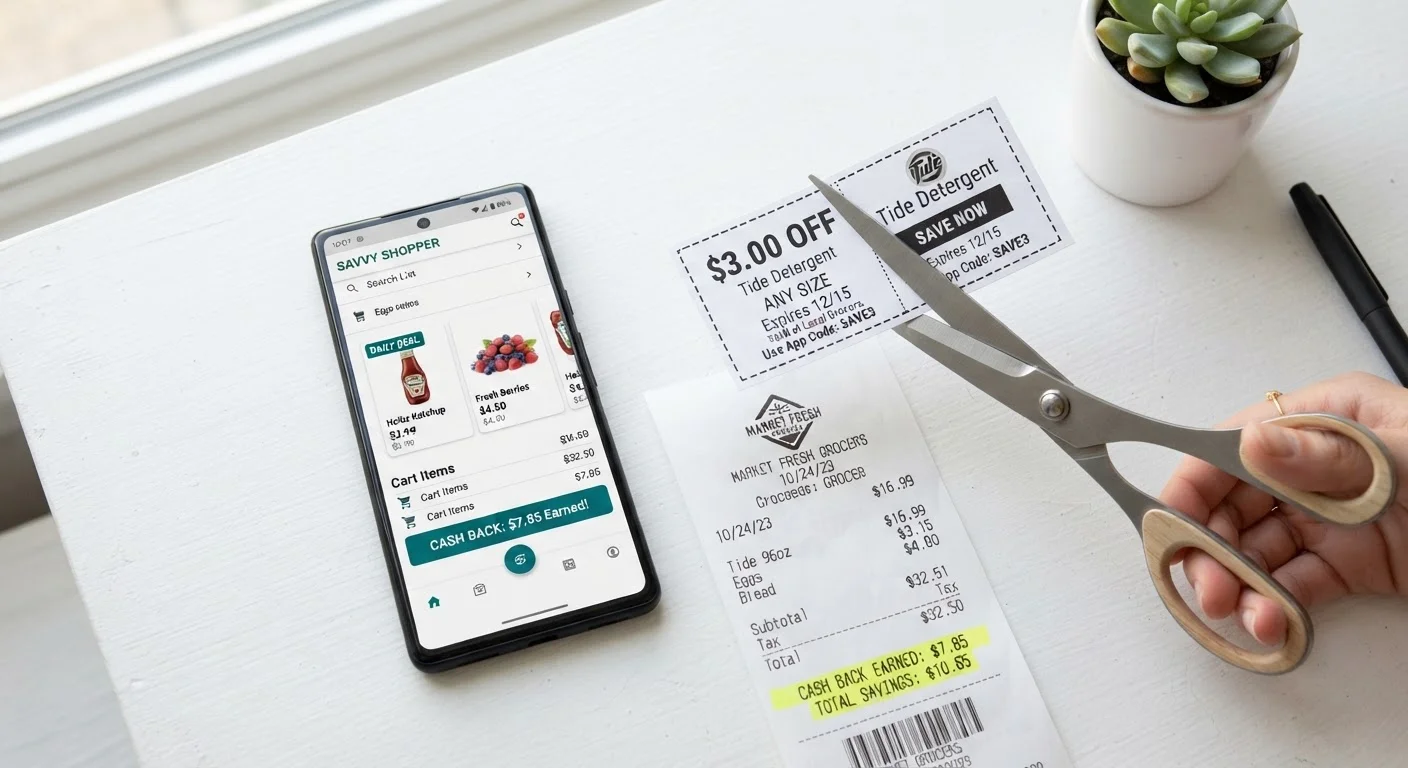
Photo credit: TurboBlogs.net | Explore Blogs At Turbo Speed
In this article
Three popular ways to save money—but they work very differently. This guide breaks down the mechanics of each so you know when to use what.
Key Takeaways
- Cash back rewards you after purchase; coupons and promo codes reduce your price upfront.
- Coupons are typically product-specific, while promo codes are retailer-issued and often time-limited.
- Stacking multiple savings methods is sometimes possible, but retailers set the rules on what can be combined.
- Each method works best in specific shopping contexts - matching the tool to the situation matters.
- None of these tools guarantee a good deal if the base price is already inflated.
Why the Difference Actually Matters
At first glance, all three - cash back, coupons, and promo codes - seem to do the same thing: save you money. And they do. But the mechanics are quite different, and treating them as interchangeable can leave savings on the table or, worse, create confusion at checkout.
For example, cash back doesn't reduce your purchase price at all - it returns a percentage of what you spent after the transaction settles. A coupon knocks dollars or a percentage off a specific item before you pay. A promo code might waive shipping, discount your entire cart, or unlock a deal that isn't advertised anywhere publicly. Knowing what you're working with helps you plan smarter. As a companion read, understanding what "sale" actually means puts these tools in useful context - discounts aren't always what they seem.
How Cash Back Works
Cash back is a reward mechanism - usually offered through a credit card, a browser extension, or a dedicated app - that returns a percentage of your spending to you after purchase. The key word is after. Your checkout price doesn't change; instead, you accumulate a credit, check, or deposit over time.
Credit card cash back typically ranges from 1% to 5% depending on the card and spending category. App-based cash back programs work by partnering with retailers and sharing a portion of the referral or affiliate revenue with you. Neither involves a discount at checkout.
Match the Tool to the Timing
Cash back works best as a background habit applied to regular spending. Coupons shine for planned grocery or household goods purchases when you know what you're buying in advance. Promo codes are worth a quick search any time you're checking out at an online retailer - 60 seconds of searching can sometimes yield meaningful savings. Using each in its strongest context gets you the most benefit with the least friction.
This distinction matters for budgeting: you still spend the full amount upfront. If cash flow is tight, cash back doesn't help in the moment. It's a longer-term benefit. See the budgeting basics hub for strategies on managing spending before rewards come into play.
It's also worth noting that cash back programs tied to credit cards can quietly cost more than they return if you carry a balance and pay interest. General financial education - not a prescription for your situation - suggests that the math only works in your favor when the balance is paid in full each month. For personal guidance, a licensed financial adviser is your best resource.
How Coupons Work
Coupons are one of the oldest discount mechanisms around, and their core logic hasn't changed much: a manufacturer or retailer offers a specific reduction - either a dollar amount or a percentage - on a defined product or category. You present the coupon at or before checkout, and the price drops accordingly.
Paper coupons clipped from circulars work the same way as digital coupons loaded onto a loyalty card or scanned from a phone. The discount is applied at point of sale, meaning your checkout total actually reflects the savings immediately.
One important nuance: manufacturer coupons are issued by the brand and can often be used at any retailer carrying that product. Store coupons are retailer-specific. Some stores allow you to stack one of each type on the same item - but policies vary widely, so it's worth checking before you shop. Just like return policies, the fine print on coupons determines their real value.
| Cash Back | Coupons | Promo Codes | |
|---|---|---|---|
| When savings are applied | After purchase settles | At point of sale | At online checkout |
| Discount type | Percentage of spend returned | Dollar off or % off item | Varies: %, flat, shipping, etc. |
| Format | Card, app, or browser extension | Paper, digital, or loyalty card | Alphanumeric code entered online |
| Where it works | Broad - many retailers | Specific product or store | Specific retailer or campaign |
| Expiration risk | Low - ongoing program | Moderate - printed expiry date | High - often short-lived |
| Effort required | Very low once enrolled | Moderate - clip or load in advance | Low - enter at checkout |
| Can be stacked? | Often yes, with other tools | Sometimes with manufacturer coupons | Rarely - one code per order |
How Promo Codes Work
Promo codes - sometimes called discount codes or coupon codes - are alphanumeric strings entered at online checkout to trigger a specific discount. They're almost exclusively a digital-era tool, though some retailers accept them by phone or in-store via a barcode equivalent.
Retailers use promo codes for a range of purposes: rewarding email subscribers, running seasonal campaigns, encouraging first-time purchases, or clearing inventory quietly without publicly marking items down. The discount type varies widely - flat dollar amounts, percentage off, free shipping, a free item with purchase, or early access.
Expired and Invalid Promo Codes Are Common
Coupon aggregator sites frequently list promo codes that are expired, retailer-restricted, or never worked for the general public in the first place. Always test a code at checkout before assuming it's valid. If a code fails, don't let the frustration push you into a purchase you weren't confident in - the absence of a working code isn't a reason to rush.
Unlike coupons, promo codes often have expiration dates and usage caps. A code that worked last week may be invalid today. Some codes are single-use per account; others are broadly distributed. Before assuming a code you found through a search still works, verify it at checkout before finalizing your order.
For shoppers building a more intentional pre-purchase routine, checking for active promo codes is one of the easiest items to add to your checklist.
Stacking and Combining: What's Allowed
One of the most practical questions shoppers have is whether these tools can be combined. The short answer: sometimes, and always on the retailer's terms.
Many retailers allow cash back to stack with promo codes because cash back is processed separately from the checkout transaction itself. A promo code reduces your cart total, and then your cash back program calculates its reward based on the final amount charged. This is generally permissible, though some cash back platforms exclude certain promotional purchases.
Combining multiple promo codes on a single order is usually not allowed - most checkout systems accept only one code at a time. Layering a store coupon with a manufacturer coupon is sometimes permitted but varies by retailer. The safest approach is to read the terms or test at checkout before assuming stacking works.
For a broader framework on getting more value out of every purchase - not just chasing discounts - spending smarter without spending less is worth a read. And if you're curious how loyalty points fit into this picture, loyalty programs don't always work in your favor - that article breaks down where they deliver and where they quietly cost you.
This article is for general informational and educational purposes only and does not constitute financial or consumer advice tailored to your individual situation. Consult a qualified financial professional for guidance specific to your circumstances.

Author
Lifestyle & Shopping Editorial Team
Lifestyle & Shopping Editorial Team is the collective byline for our editorial team and contributor network. Articles published under this byline or an editorial pen name are researched, written, and reviewed according to our editorial standards for clarity, consistency, and independence before publication.
View all articles →