
The 50/30/20 Rule vs. Zero-Based Budgeting
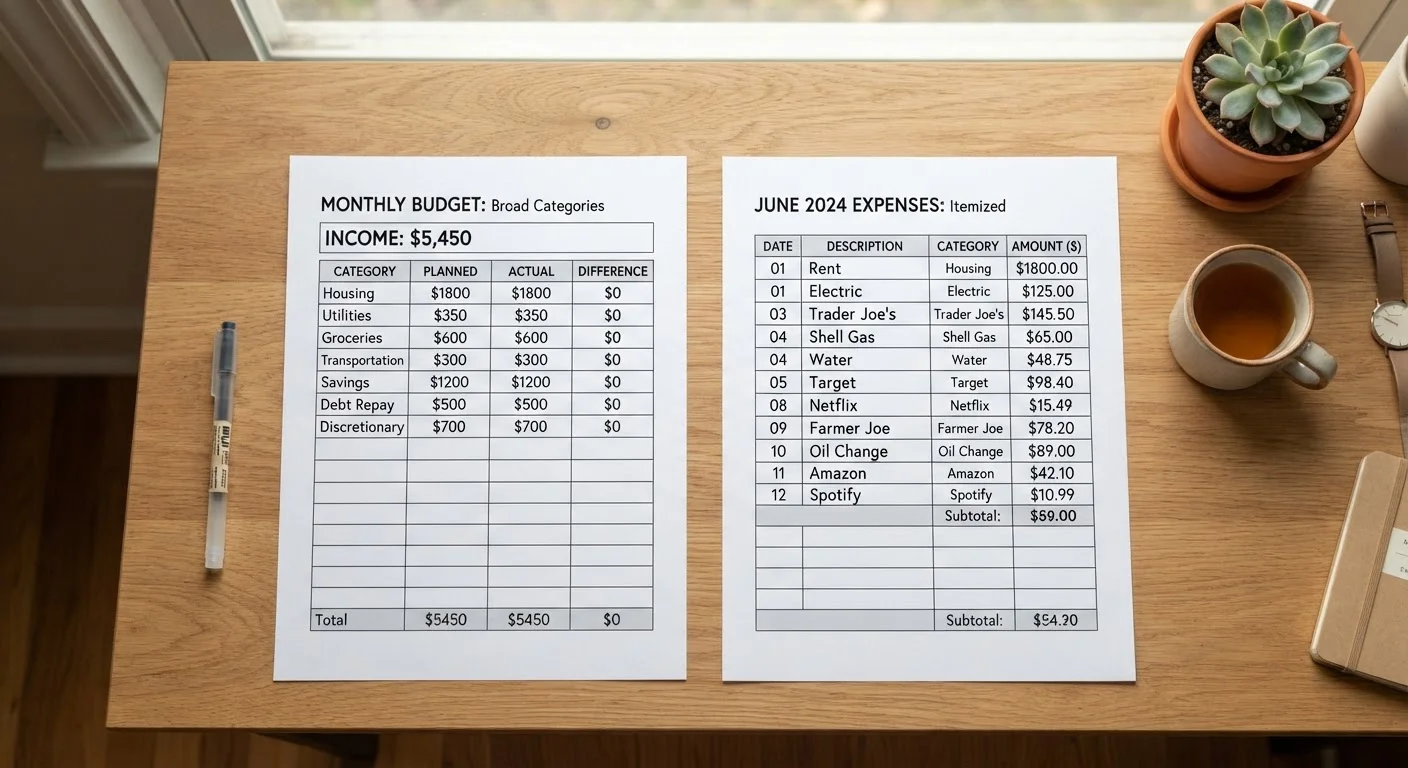
Photo credit: TurboBlogs.net | Explore Blogs At Turbo Speed
In this article
Two popular budgeting frameworks, side by side. See how they differ in structure, flexibility, and who each approach suits best.
Key Takeaways
- The 50/30/20 rule divides after-tax income into three broad buckets: needs, wants, and savings.
- Zero-based budgeting assigns every dollar a specific purpose so income minus expenses equals zero.
- The 50/30/20 rule is easier to maintain; zero-based budgeting offers more granular financial control.
- Your income stability, financial goals, and tolerance for detail should guide which method you choose.
- Both frameworks can be adapted over time as your financial situation evolves.
How Each Framework Works
The 50/30/20 rule was popularized as a straightforward way to allocate after-tax (take-home) income. You direct 50% toward needs - essentials like rent, groceries, utilities, and insurance. Thirty percent goes to wants - dining out, entertainment, subscriptions, and other non-essentials. The final 20% is earmarked for savings and debt repayment beyond minimums. The framework doesn't require itemizing individual transactions; you simply monitor whether spending in each bucket stays within its share.
Zero-based budgeting (ZBB) operates on a different logic entirely. Each month, you start from zero and assign every dollar of expected income to a specific category - housing, groceries, gas, dining, clothing, retirement contributions, debt payments, and so on - until the math reads: income minus all assigned expenses equals zero. No dollar is left unassigned. See our detailed guide to zero-based budgeting for a step-by-step walkthrough of the process.
Understanding how each system handles fixed versus variable expenses is essential before choosing one, since that distinction shapes how easy each method is to apply.
| Criterion | 50/30/20 Rule | Zero-Based Budgeting |
|---|---|---|
| Structure | 3 broad percentage buckets | Every dollar assigned a specific category |
| Setup time | Minutes to get started | 30-60 minutes per month |
| Ongoing effort | Low - periodic check-ins | High - regular tracking required |
| Flexibility | High - tolerates month-to-month variation | Moderate - plan rebuilt each month |
| Best income type | Stable, salaried income | Variable or irregular income |
| Spending visibility | Broad category-level awareness | Line-item detail for every expense |
| Goal-targeting precision | General savings direction | Highly specific goal allocation |
| Best for | Beginners and busy households | Detail-oriented savers and debt payers |
Flexibility, Effort, and Real-Life Fit
The 50/30/20 rule demands relatively little ongoing effort. Once you know your take-home pay and rough spending patterns, you can check in weekly or monthly with a quick tally. It tolerates imperfect months better - if your "wants" category runs slightly over, you adjust the following month without rebuilding an entire plan. This flexibility is one of its greatest strengths for people juggling busy schedules.
Zero-based budgeting requires more upfront work and consistent maintenance. You build a fresh plan before each month begins, which typically takes 30-60 minutes. During the month, you track actual spending against each line item and adjust when categories shift. That granularity pays off in awareness: ZBB users often discover surprising spending leaks that percentage-based rules can obscure.
~33%
Americans with a formal household budget
Gallup polling has consistently found that roughly one-third of U.S. adults report maintaining a detailed household budget.
78%
Workers living paycheck to paycheck
A widely cited CareerBuilder survey found a large majority of U.S. workers reported living paycheck to paycheck, underscoring the stakes of structured budgeting.
20%
Savings target in the 50/30/20 rule
Financial educators broadly recommend directing at least 20% of take-home pay toward savings and debt reduction as a baseline financial health target.
One practical consideration is income type. Salaried workers find it easier to apply the 50/30/20 percentages because their monthly base is predictable. Freelancers, gig workers, or anyone with variable pay often find ZBB more logical - you can only assign dollars you actually expect to receive, so rebuilding from zero each month is a natural fit. That said, the habits that derail budgets in month two are common to both systems: over-optimistic estimates, forgotten irregular expenses, and failure to revisit the plan after unexpected costs arise.
Choosing the Right Method - and Sticking With It
Neither framework is objectively superior. The right choice depends on your goals, lifestyle, and how much financial detail you're willing to manage. Consider these questions:
- How specific are your goals? Saving for a house down payment in 18 months may demand the precision of ZBB. Maintaining general financial health may not.
- How consistent is your income? Stable paychecks favor the 50/30/20 rule. Variable income favors ZBB's month-by-month flexibility.
- How much time will you realistically spend? A budget you won't maintain is worse than an imperfect budget you will.
Many people start with the 50/30/20 rule to build the budgeting habit, then shift toward zero-based budgeting when they're ready for tighter control. Others combine elements - using broad percentage targets as guardrails while itemizing one or two problem categories in detail.
Whichever method you choose, schedule a regular review. Our monthly budget audit checklist walks you through exactly what to examine each month to keep your plan aligned with reality. Both methods also fit within the broader principles covered in The Complete Guide to Personal Budgeting.
This article is for general informational and educational purposes only and does not constitute personalized financial advice. Consider consulting a licensed financial professional for guidance tailored to your specific situation.

Author
Personal Finance Editorial Team
Personal Finance Editorial Team is the collective byline for our editorial team and contributor network. Articles published under this byline or an editorial pen name are researched, written, and reviewed according to our editorial standards for clarity, consistency, and independence before publication.
View all articles →