
Leasing vs. Owning a Car: Understanding the Long-Term Financial Picture
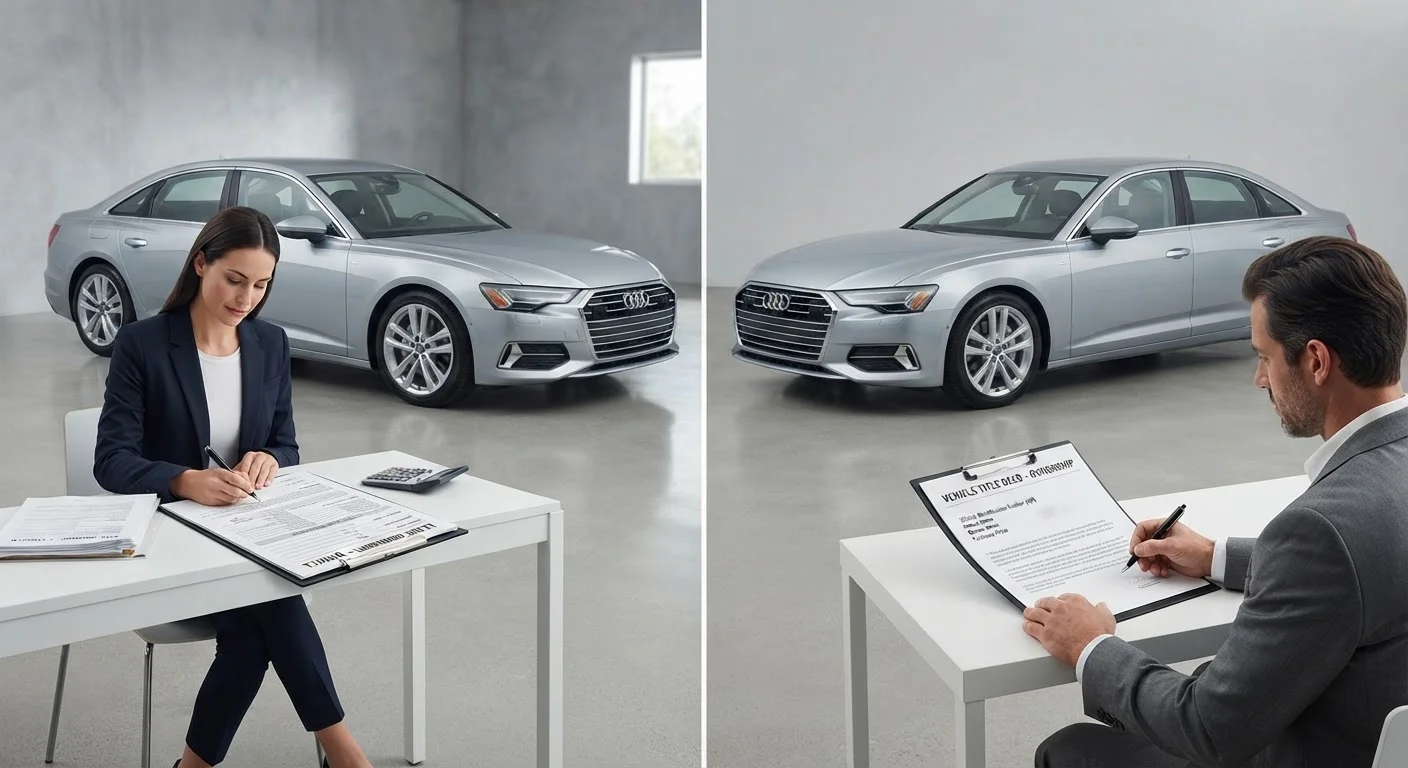
Photo credit: TurboBlogs.net | Explore Blogs At Turbo Speed
In this article
Compare what you gain and give up with a lease versus ownership, from monthly costs and flexibility to equity and mileage limits.
Key Takeaways
- Leasing typically offers lower monthly payments but builds no equity in the vehicle.
- Ownership costs more upfront but pays off over time, especially if you keep the car long-term.
- Mileage limits and wear-and-tear fees can make leasing more expensive than it first appears.
- Your driving habits, financial flexibility, and how long you keep cars matter more than any single payment figure.
- Neither path is universally better - the right choice depends on your personal situation.
How Each Arrangement Works
When you lease a vehicle, you are essentially paying for its depreciation during the contract term - typically two to four years - plus interest and fees. At the end of the lease, you return the car, buy it at a predetermined residual value, or start a new lease. You never hold the title.
When you purchase a car - whether with cash or a loan - you own it outright once any financing is paid off. The title transfers to you, and there are no restrictions on how you use, modify, or eventually sell the vehicle. See our comparison of cash vs. financing for detail on the purchase side of that equation.
Understanding key auto loan terms like APR and loan term length is also valuable context when evaluating either path.
Monthly Costs, Equity, and the Long View
Lease payments are generally lower than loan payments for the same vehicle because you are only financing a portion of the car's value. However, when the lease ends, you have no asset - and you must either return the car or pay the residual price to keep it.
Loan payments retire a debt and leave you with an owned asset. Once paid off, your transportation cost drops sharply - you no longer have a monthly payment, only maintenance and insurance. Driving a vehicle well past 100,000 miles is where ownership often delivers its greatest financial advantage, since those "free" years of driving can offset years of higher loan payments earlier on.
| Leasing | Owning | |
|---|---|---|
| Monthly payment | Typically lower | Typically higher (loan) or $0 (paid off) |
| Equity built | None | Yes, once loan is paid down |
| Mileage restrictions | Yes - overage fees apply | No restrictions |
| Early exit cost | Often substantial fees | Sell or trade any time |
| Maintenance coverage | Usually under warranty throughout | Varies - older cars need out-of-pocket repairs |
| Customization allowed | Generally not permitted | Fully at owner's discretion |
| Long-term cost (5+ years) | Ongoing payments, no asset | Lower once paid off, asset retained |
For a full accounting of what ownership actually costs each year, our breakdown of total car ownership costs covers fuel, maintenance, insurance, and depreciation in detail.
Restrictions, Flexibility, and Hidden Costs
Leases come with conditions that can catch drivers off guard. Most cap annual mileage at 10,000-15,000 miles; excess mileage typically costs 10-25 cents per mile at lease end. Wear-and-tear standards also apply - damage beyond normal use generates charges when you return the vehicle.
Lease Fine Print Can Be Costly
Before signing a lease, read the mileage cap, wear-and-tear standards, and early termination clause carefully. Overage fees and end-of-lease charges can add hundreds or thousands of dollars to the real cost of the vehicle. Always calculate your expected annual mileage honestly before committing to a lease term.
Early termination is another risk. Exiting a lease before the end of the contract often involves substantial fees, sometimes nearly equal to the remaining payments. Ownership, by contrast, allows you to sell or trade in the vehicle whenever you choose - though you may still owe more than the car is worth early in a loan. Our guide to selling privately vs. trading in explains what each exit path involves.
Owned vehicles can also be modified, customized, or used commercially - none of which is typically permitted under a standard lease.
Which Path Fits Your Situation?
Several factors tilt the decision more clearly in one direction:
- Annual mileage: If you drive more than 15,000 miles per year, lease overage fees can erode the monthly payment advantage quickly.
- How long you keep cars: Drivers who routinely trade vehicles every two to three years lose less by leasing. Those who hold vehicles for six or more years usually come out ahead by owning.
- Budget stability: Leasing offers predictability - most repairs are covered under warranty for the duration of the term. Owning an older vehicle introduces variable maintenance costs.
- Equity goals: If building assets matters to you, ownership is the only path that delivers one. This mirrors the broader rent-vs.-buy framework in housing - neither choice is inherently superior, but equity accumulation only happens on one side of the ledger.
Run the Numbers Over the Full Time Horizon
Compare total cost over five or six years - not just the monthly payment. Add up all lease payments with no residual asset versus loan payments that end and leave you with an owned vehicle. The long-term picture often looks very different from the monthly snapshot. Our complete guide to car ownership offers a useful framework for the full calculation.
Your credit profile also matters. Leasing generally requires strong credit to secure the most favorable money factors (the lease equivalent of an interest rate). Understanding how debt and credit work can help you approach either transaction in a stronger position.
This article provides general financial information for educational purposes only and is not personalized financial or legal advice. Consult a qualified financial professional before making decisions based on your specific circumstances.

Author
Autos & Insurance Editorial Team
Autos & Insurance Editorial Team is the collective byline for our editorial team and contributor network. Articles published under this byline or an editorial pen name are researched, written, and reviewed according to our editorial standards for clarity, consistency, and independence before publication.
View all articles →