
The True Cost of Owning a Car Beyond the Sticker Price
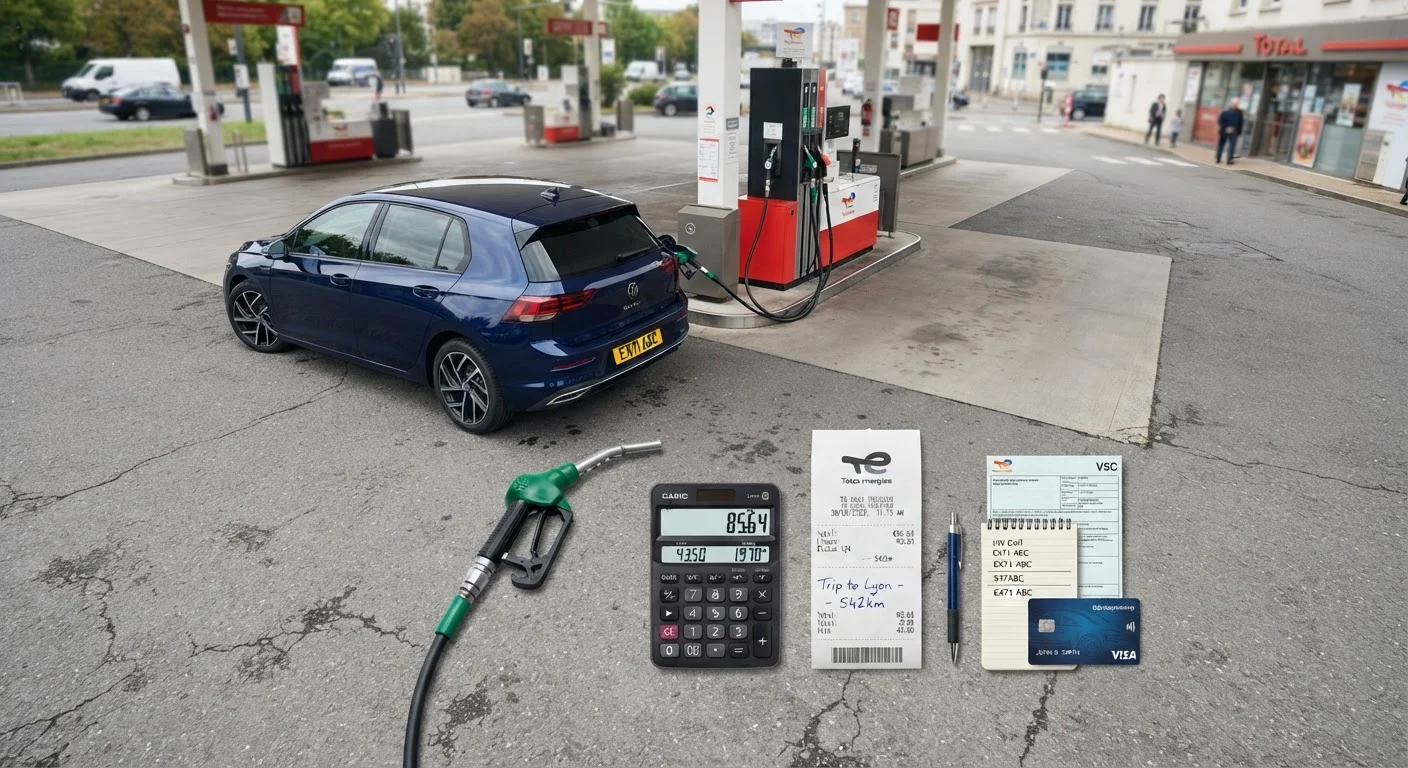
Photo credit: TurboBlogs.net | Explore Blogs At Turbo Speed
In this article
Fuel, insurance, maintenance, depreciation — discover every expense that shapes what a car actually costs you each year.
Key Takeaways
- Depreciation is typically the single largest cost of owning a car, often exceeding fuel and insurance combined.
- Insurance, registration, and taxes are fixed costs that continue regardless of how much you drive.
- Financing a car adds interest expense on top of every other ownership cost.
- Routine maintenance costs rise significantly as a vehicle ages and mileage climbs.
- Calculating your true annual cost helps you choose a vehicle that actually fits your budget.
Why the Sticker Price Is Just the Starting Line
Walk into a dealership and every conversation centers on one number: the purchase price. But that figure covers only the moment of sale. From the day you drive off the lot, a parallel set of costs begins accumulating - and for most owners, those ongoing expenses dwarf the original transaction over time.
Understanding the full cost picture is especially important before you decide how much vehicle to buy, whether to finance or pay cash, and how long to keep it. Our complete guide to car ownership walks through every stage of the ownership cycle, but this article focuses specifically on breaking down each cost category so you can estimate your real annual number.
$10,000+
Average annual new-vehicle ownership cost
AAA's 'Your Driving Costs' study consistently finds total annual costs for new vehicle ownership exceed $10,000 when all expense categories are included.
~20%
Typical first-year depreciation rate
New vehicles commonly lose 15-25% of their purchase value within the first 12 months, making depreciation the dominant ownership cost for most buyers.
15,000
Average annual miles driven per U.S. driver
The Federal Highway Administration estimates the average American driver covers approximately 15,000 miles per year, directly influencing fuel and maintenance costs.
Depreciation: The Invisible Expense
Depreciation is the reduction in a car's market value over time, and it is almost always the largest single cost of ownership - yet it never appears on a monthly statement. A new vehicle can shed roughly 15-25% of its value in the first year, and up to 50% or more over five years, depending on the make, model, and market conditions.
Why does this matter practically? Because depreciation represents money you cannot recover when you sell or trade in the vehicle. Even if you never plan to sell, it is a real cost embedded in your financial position. Buyers who choose used vehicles often benefit from a slower depreciation curve - the steepest drop has already happened. Our new vs. used car trade-offs article examines this dynamic in detail.
“Depreciation is the cost most car buyers never see on a bill - but it's often larger than everything else combined. Understanding it is the first step to making a financially sound vehicle decision.”
— AAA Automotive Research, Publisher of the annual 'Your Driving Costs' vehicle ownership study
Fuel, Insurance, and Registration: The Recurring Bills
Three costs arrive on a predictable schedule and demand consistent budgeting:
- Fuel: Annual fuel cost depends on how many miles you drive, your vehicle's fuel economy, and local gas prices. A driver covering 15,000 miles per year in a vehicle averaging 28 mpg at $3.50 per gallon spends roughly $1,875 annually - just on fuel.
- Auto insurance: Premiums vary widely based on your location, driving history, coverage levels, and vehicle type. Insurance is not optional in virtually every U.S. state. Understanding your coverage options is essential - the auto insurance hub provides clear guidance on coverage types and cost factors.
- Registration and taxes: Annual registration fees, state property taxes on vehicles, and emissions inspection fees vary by state but are unavoidable fixed costs that continue every year of ownership.
This article provides general financial information and is not personalized financial or insurance advice. Coverage terms and costs vary by provider and state; consult a licensed professional for guidance specific to your situation.
Maintenance, Repairs, and Financing Costs
Scheduled maintenance - oil changes, tire rotations, brake inspections, fluid replacements - is predictable and manageable when budgeted in advance. Industry guidance generally suggests setting aside $500-$900 annually for routine maintenance on a newer vehicle, though that figure rises as mileage accumulates and components age.
Unplanned repairs are harder to budget but statistically certain over a long ownership period. A transmission service, a new set of tires, or a brake job can each run several hundred to several thousand dollars. Owners who keep a car long-term often find that even with rising repair costs, total annual expense drops once loan payments end.
If you financed your purchase, interest charges add a meaningful layer to total cost. The rate and term of your loan determine how much extra you pay beyond the vehicle's price. Paying cash versus financing each carries distinct trade-offs worth evaluating before you commit.
Build a Simple Ownership Budget Before You Buy
Before committing to any vehicle, estimate your annual fuel, insurance, registration, and maintenance costs alongside any loan payment. Add a reasonable repair reserve - $500-$1,000 per year is a common starting point for vehicles under 60,000 miles. This total, divided by 12, is a far more accurate monthly budget figure than the loan payment alone.
Putting the Numbers Together
To calculate your true annual cost, add together estimated figures for: depreciation, fuel, insurance premiums, registration and taxes, routine maintenance, a repair reserve, and any loan interest. Dividing that total by 12 gives you a monthly ownership cost that is far more accurate than a loan payment alone.
This exercise often reveals that a lower-priced vehicle with average fuel economy and modest insurance costs can be significantly cheaper to own than a higher-priced model with premium fuel requirements and expensive parts. Similarly, when you eventually decide to exit ownership - whether through a private sale or trade-in - the residual value will reflect how these cost factors played out over time.
Alternatively, if you are weighing a lease, note that leases shift some costs (like depreciation risk) to the lessor while introducing new ones like mileage limits. Our leasing vs. owning comparison clarifies what each path really means financially.
Frequently Asked Questions

Author
Autos & Insurance Editorial Team
Autos & Insurance Editorial Team is the collective byline for our editorial team and contributor network. Articles published under this byline or an editorial pen name are researched, written, and reviewed according to our editorial standards for clarity, consistency, and independence before publication.
View all articles →