
DIY Home Repairs: The Honest Case For and Against Doing It Yourself
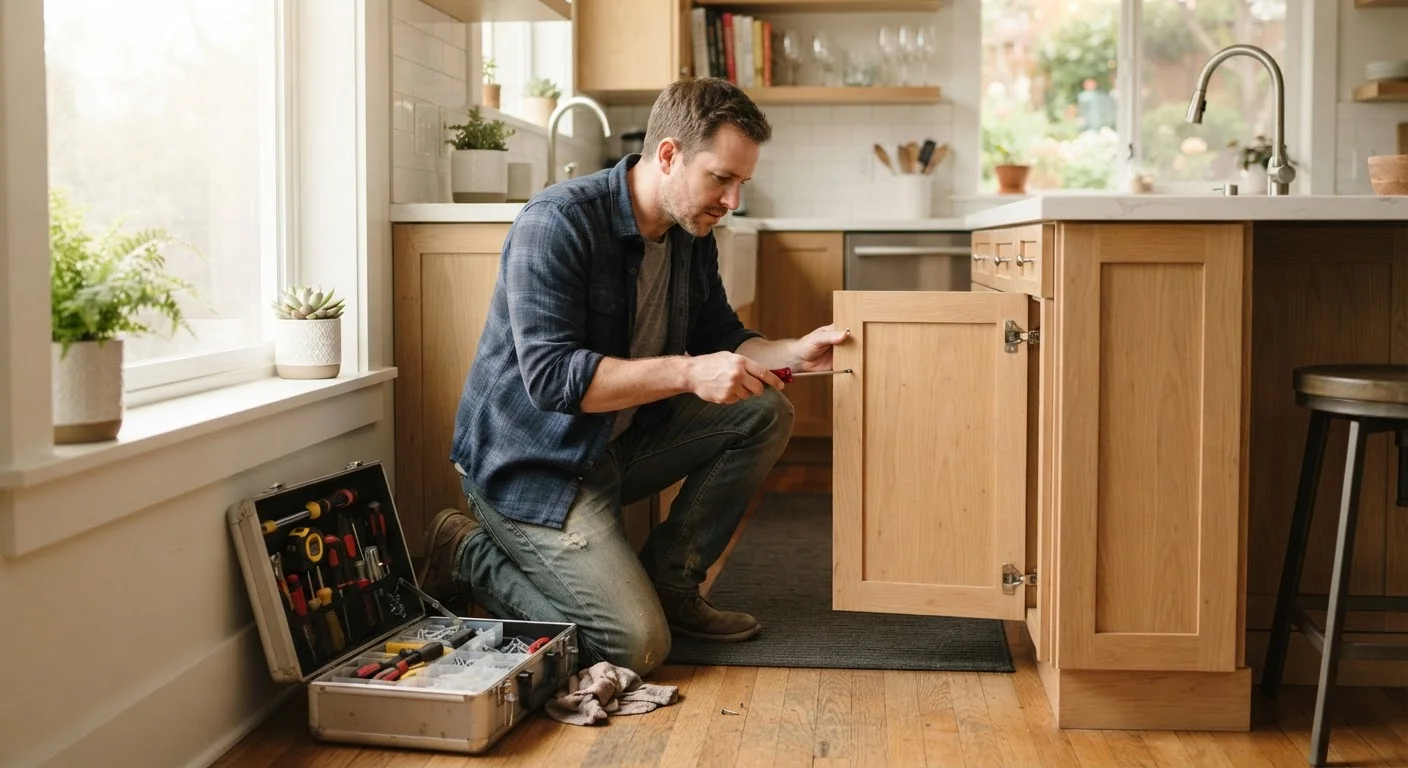
Photo credit: TurboBlogs.net | Explore Blogs At Turbo Speed
In this article
Taking on repairs yourself can save money—but it also carries real risks. A balanced look at when DIY makes sense and when to hire a professional.
Key Takeaways
- DIY repairs can save significant money on labor costs for straightforward tasks.
- Electrical, gas, structural, and roofing work typically requires licensed professionals and permits.
- Mistakes on complex repairs can cost more to fix than hiring a pro from the start.
- Skill level, available time, and safety risk should all guide the DIY decision.
- Deferred maintenance is rarely the answer-whether you hire out or do it yourself, act promptly.
Significant savings on labor costs
Labor can represent 50-70% of a contractor's invoice on straightforward jobs. Handling tasks like painting, caulking, or replacing fixtures yourself can meaningfully reduce that cost.
Immediate action on small problems
You don't need to wait days or weeks for a contractor's availability to fix a dripping faucet or patch a small hole-faster action often prevents a minor issue from worsening.
Build practical homeownership skills over time
Each successful repair adds to your working knowledge of your home's systems, making you a more capable and confident owner with each task completed.
Greater control over materials and quality
When you do the work yourself, you choose the exact materials and can set your own quality standard rather than relying on a contractor's default selections.
Satisfying sense of ownership and accomplishment
Completing a repair yourself reinforces your relationship with your home and can motivate more proactive upkeep over the long term.
Mistakes can cost more than hiring a pro
An improperly installed water heater, a miswired outlet, or a poorly patched roof can require expensive remediation that far exceeds what a licensed contractor would have charged originally.
Permit and code compliance risks
Unpermitted work on electrical, plumbing, or structural systems can complicate a home sale, trigger failed inspections, and in some cases affect insurance coverage. Local code requirements vary and must be verified.
Hazardous work requires licensed professionals
Electrical panel work, gas line repairs, load-bearing structural changes, and roofing on multi-story homes carry injury and liability risks that make self-repair inadvisable for most homeowners.
Time investment is often underestimated
A job a contractor might complete in two hours can take a weekend when you factor in research, supply runs, trial and error, and cleanup-time that has real value.
Warranty and insurance implications
Some manufacturer warranties on appliances and roofing materials require professional installation; DIY installation can void these protections, leaving you without recourse if problems arise.
Why the DIY Question Matters More Than Ever
Home repair and maintenance costs have climbed steadily, making the decision of whether to hire a contractor or pick up a wrench yourself more consequential than it used to be. For many homeowners, the instinct to DIY is partly financial, partly a desire for control-and often both. But the stakes are real. A botched repair can void warranties, fail inspections, or create hazards that cost far more to remediate than the original job would have.
The honest answer isn't that DIY is good or bad-it's that it depends heavily on the task, your skill level, and what happens when things go wrong. A well-structured maintenance schedule can help you identify in advance which tasks are realistic candidates for self-repair and which ones belong on a contractor call list.
Significant savings on labor costs
Labor can represent 50-70% of a contractor's invoice on straightforward jobs. Handling tasks like painting, caulking, or replacing fixtures yourself can meaningfully reduce that cost.
Immediate action on small problems
You don't need to wait days or weeks for a contractor's availability to fix a dripping faucet or patch a small hole-faster action often prevents a minor issue from worsening.
Build practical homeownership skills over time
Each successful repair adds to your working knowledge of your home's systems, making you a more capable and confident owner with each task completed.
Greater control over materials and quality
When you do the work yourself, you choose the exact materials and can set your own quality standard rather than relying on a contractor's default selections.
Satisfying sense of ownership and accomplishment
Completing a repair yourself reinforces your relationship with your home and can motivate more proactive upkeep over the long term.
The Real Drawbacks of Going It Alone
DIY enthusiasm, without honest self-assessment, can turn a $200 problem into a $2,000 one. Understanding the limits isn't pessimism-it's financial protection.
Mistakes can cost more than hiring a pro
An improperly installed water heater, a miswired outlet, or a poorly patched roof can require expensive remediation that far exceeds what a licensed contractor would have charged originally.
Permit and code compliance risks
Unpermitted work on electrical, plumbing, or structural systems can complicate a home sale, trigger failed inspections, and in some cases affect insurance coverage. Local code requirements vary and must be verified.
Hazardous work requires licensed professionals
Electrical panel work, gas line repairs, load-bearing structural changes, and roofing on multi-story homes carry injury and liability risks that make self-repair inadvisable for most homeowners.
Time investment is often underestimated
A job a contractor might complete in two hours can take a weekend when you factor in research, supply runs, trial and error, and cleanup-time that has real value.
Warranty and insurance implications
Some manufacturer warranties on appliances and roofing materials require professional installation; DIY installation can void these protections, leaving you without recourse if problems arise.
~35%
Share of home improvement projects done by homeowners themselves
According to the Harvard Joint Center for Housing Studies, roughly a third of home improvement spending is attributed to owner-performed work rather than hired contractors.
50-70%
Portion of contractor costs typically attributed to labor
Industry estimates consistently show that labor makes up the majority of most repair invoices, underlining the potential savings when homeowners handle eligible tasks themselves.
Certain categories of work are consistently flagged by building officials and insurers as high-risk for unlicensed repairs. Electrical work, gas line modifications, structural alterations, and most roofing projects typically require permits and licensed contractors in most U.S. jurisdictions. Performing this work without the proper credentials can trigger failed inspections, difficulty selling the home, or gaps in your homeowner's insurance coverage if a claim arises from unpermitted work. Always verify local permit requirements with your municipality before beginning any significant repair.
Where DIY Makes the Most Sense
Not every repair is a liability minefield. A wide range of routine maintenance tasks fall well within reach for homeowners who are willing to learn and work carefully. Painting interior walls, replacing door hardware, patching drywall (away from plumbing or wiring), caulking windows and tubs, cleaning gutters, replacing air filters, and fixing a running toilet flapper are all examples of work where the risk is low and quality tutorials are widely available.
Certain plumbing upkeep tasks-like checking shut-off valves, clearing slow drains with a drain snake, or replacing a showerhead-are also within reach for most homeowners with basic mechanical aptitude, provided they know when to stop and call a plumber. The key is matching the task to your actual experience, not your optimism.
When a Permit Is Required
Most U.S. municipalities require permits for electrical, plumbing, structural, HVAC, and roofing work beyond basic maintenance. Requirements vary significantly by jurisdiction. Before starting any significant repair or improvement, contact your local building department to confirm what's needed. Work done without required permits can complicate home sales and affect insurance claims.
If you're a first-time homeowner building maintenance habits, starting with lower-stakes tasks builds both skill and the judgment to recognize when a job exceeds your current capability.
The Cost of Waiting-Whether You DIY or Not
One point often lost in the DIY debate: the worst outcome is usually neither hiring a pro nor doing it yourself-it's doing nothing. Deferred maintenance compounds over time, turning a leaky flashing into a rotted roof deck or a slow drain into a backed-up sewer line. If a task is beyond your skill set, that's a clear signal to hire out-not to postpone indefinitely.
Renters, by contrast, have a different set of levers. If you're renting and your landlord is unresponsive, there are documented strategies for escalating repair requests without risking your tenancy. Self-repair is rarely appropriate or permitted in a rental situation, and understanding your rights matters more than picking up a tool.
This article provides general educational information about home maintenance and repair. It is not a substitute for advice from a licensed contractor, building official, or other qualified professional. Always verify local permit and safety requirements before beginning any repair work.

Author
Home & Real Estate Editorial Team
Home & Real Estate Editorial Team is the collective byline for our editorial team and contributor network. Articles published under this byline or an editorial pen name are researched, written, and reviewed according to our editorial standards for clarity, consistency, and independence before publication.
View all articles →