
Why Deferred Maintenance Costs More Than You Think
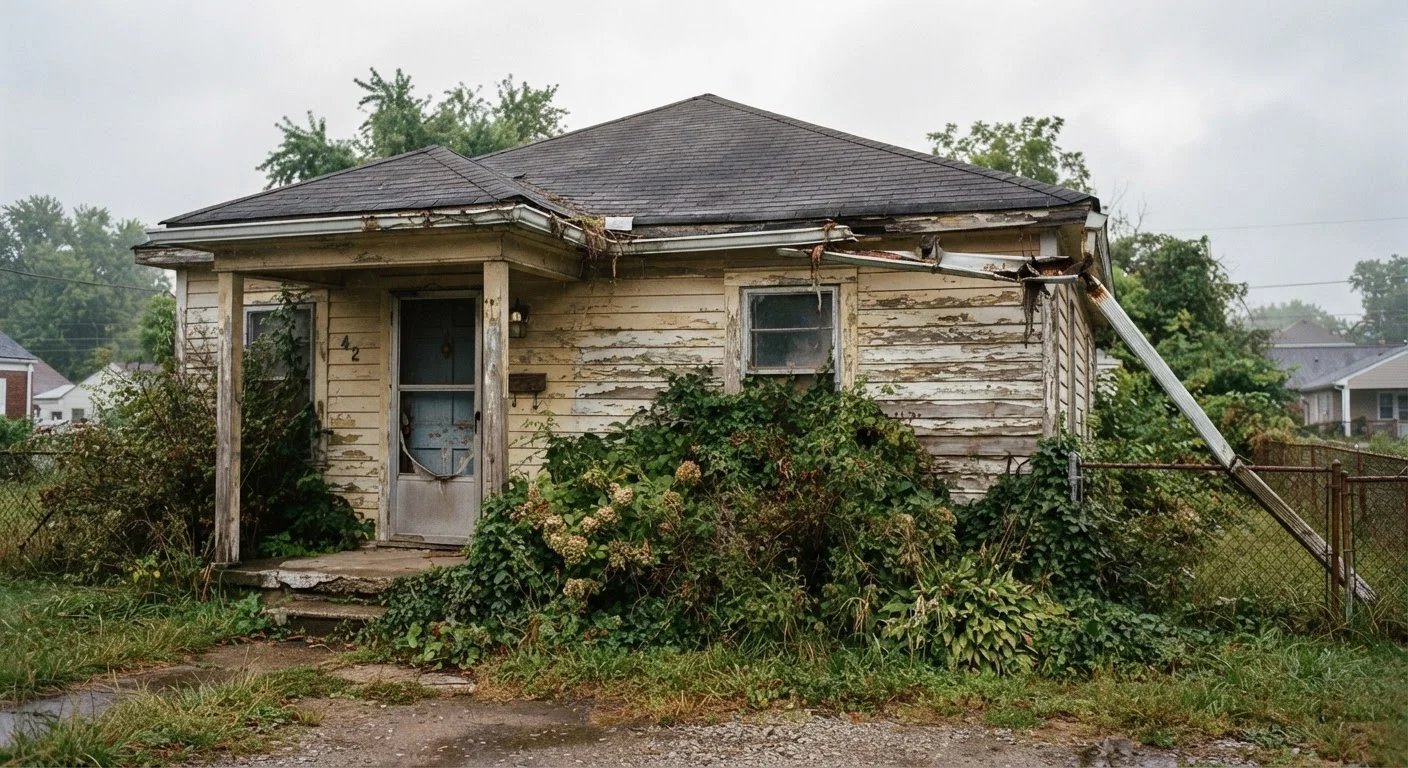
Photo credit: TurboBlogs.net | Explore Blogs At Turbo Speed
In this article
Putting off small repairs can trigger expensive damage. Here's how maintenance neglect compounds over time and what it means for your home's value.
Key Takeaways
- Small maintenance problems compound into structural or systemic damage when ignored for months or years.
- Deferred maintenance visibly reduces a home's market value at appraisal and during buyer negotiations.
- Water intrusion is one of the most destructive - and most preventable - sources of escalating repair costs.
- A consistent maintenance schedule is far less expensive than emergency repair or full system replacement.
- Insurance claims may be denied if damage is attributed to long-term neglect rather than a sudden event.
The Hidden Compounding Effect of Neglected Repairs
Most homeowners don't ignore maintenance out of carelessness - they postpone it because the problem seems small, the budget is tight, or the repair simply feels non-urgent. That logic is understandable, but it's also how a $200 fix becomes a $6,000 project.
Deferred maintenance doesn't pause while you wait. Moisture infiltrates wood framing. A hairline crack in the driveway expands through freeze-thaw cycles. A slow HVAC refrigerant leak strains the compressor until it fails. Each ignored symptom signals an underlying system under stress - and systems under stress deteriorate faster than those that receive routine attention.
The compounding pattern resembles what financial experts describe when discussing the cost of delayed investing. Just as putting off contributions to a retirement account forfeits years of compound growth, putting off a roof repair forfeits the protection that repair would have provided - allowing damage to quietly accumulate. The financial parallel is striking: in both cases, delay is never neutral.
1%-3%
Recommended annual home maintenance budget
Many housing and financial experts suggest homeowners budget between 1% and 3% of their home's value annually for maintenance and repairs to stay ahead of deterioration.
$3,000-$15,000+
Typical cost to remediate significant mold damage
According to remediation industry estimates, mold remediation costs vary widely by scope but consistently exceed what early moisture prevention measures would have cost.
10%-20%
Potential home value reduction from visible deferred maintenance
Real estate professionals and appraisers commonly cite deferred maintenance as a factor that can reduce effective market value by a meaningful margin depending on the severity and scope of neglected systems.
Water Is the Most Expensive Word in Home Repair
Of all the forces that accelerate deferred maintenance costs, water is the most destructive. A compromised roof shingle allows moisture into the decking. A clogged gutter directs rainwater against the fascia board and down the foundation wall. A slow plumbing drip inside a wall cavity fosters mold before any visible sign appears inside the home.
What makes water damage particularly expensive is how broadly it spreads. It rarely stays confined to its entry point. A single source of intrusion can affect insulation, framing, drywall, flooring, and even the foundation - turning a repair that might have cost a few hundred dollars into a remediation project running into tens of thousands.
Inspect Gutters and Roof Flashings Seasonally
Gutters and roof flashings are inexpensive to maintain and catastrophically expensive to ignore. Clear gutters every fall and spring, and visually inspect flashings around chimneys, vents, and skylights after major storms. Catching a separated flashing early is a repair measured in dollars; catching it after water has entered the wall is a project measured in thousands.
Routine gutter cleaning, roof inspections after major storms, and prompt caulking around windows and doors are unglamorous tasks, but they represent some of the highest-return maintenance investments a homeowner can make.
What Deferred Maintenance Does to Your Home's Market Value
When it's time to sell or refinance, deferred maintenance becomes financially visible in ways that are difficult to negotiate around. Licensed appraisers are trained to identify and document maintenance deficiencies, and their findings directly influence the appraised value of your property.
Buyers who order home inspections - which is standard practice - receive detailed reports on every deferred item an inspector identifies. Those reports become negotiating tools. Buyers may request price reductions, seller-funded repair credits, or simply walk away. In a competitive market, a well-maintained home commands measurably better offers than a comparable home carrying a list of deferred repairs.
Homeowners who want to stay ahead of these moments would do well to treat maintenance as a financial discipline, not just a property chore. Building a realistic seasonal maintenance schedule is one of the most practical steps any homeowner can take to protect long-term property value.
Building the Habit: Practical Steps Forward
The antidote to deferred maintenance isn't a massive renovation project - it's consistency. Regular, smaller expenditures spread across a year are almost always far less disruptive and far less expensive than the emergency repairs that follow prolonged neglect.
If you're just starting to take maintenance seriously, a structured approach for new homeowners can help you identify where to begin without feeling overwhelmed. For tasks that require judgment about whether to tackle something yourself or hire a professional, understanding the honest trade-offs of DIY repairs is worth reading before you pick up a tool.
The same principle applies beyond the home. Deferred vehicle maintenance follows the same compounding logic - small skipped services become large mechanical failures. Across every major asset you own, the cost of prevention is reliably lower than the cost of repair.
Insurance May Not Cover Neglect-Based Damage
Standard homeowners insurance policies are designed to cover sudden, accidental losses - not damage that developed gradually due to lack of maintenance. If an adjuster determines that rot, mold, or structural deterioration resulted from prolonged neglect, the claim is likely to be denied. Maintaining your home isn't just about avoiding repair costs; it also preserves your eligibility to make insurance claims when genuine accidents occur.
This article is for general informational purposes only and does not constitute financial, legal, or professional home repair advice. Consult a licensed contractor, home inspector, or qualified professional for guidance specific to your property and circumstances.
Frequently Asked Questions

Author
Home & Real Estate Editorial Team
Home & Real Estate Editorial Team is the collective byline for our editorial team and contributor network. Articles published under this byline or an editorial pen name are researched, written, and reviewed according to our editorial standards for clarity, consistency, and independence before publication.
View all articles →