
Home Maintenance as a First-Time Homeowner: Where to Actually Start
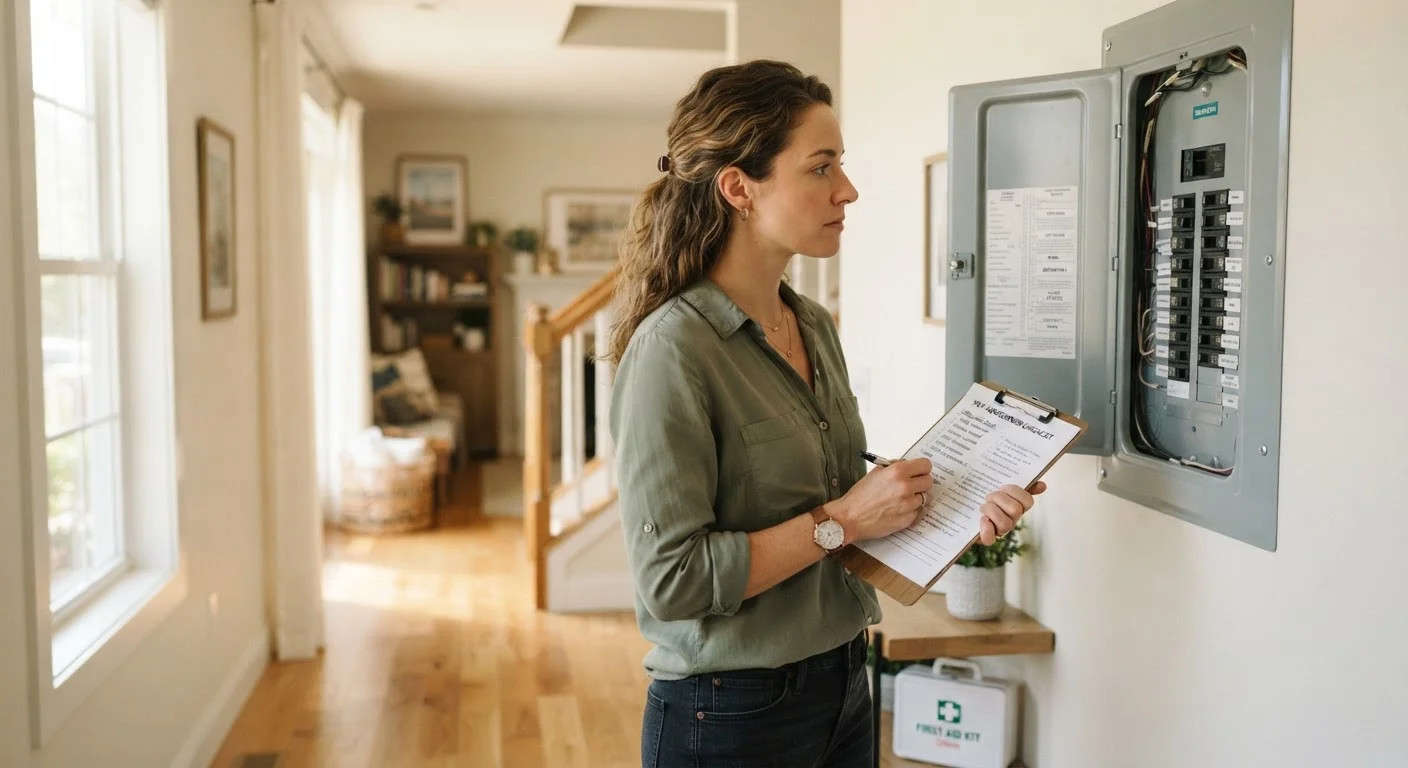
Photo credit: TurboBlogs.net | Explore Blogs At Turbo Speed
In this article
- Why Maintenance Feels Overwhelming - And Why It Doesn't Have to Be
- The First 90 Days: Your Highest-Priority Tasks
- Systems You Need to Understand Before They Break
- Building a Maintenance Schedule That You'll Actually Follow
- When to DIY and When to Call a Pro
- The Cost of Doing Nothing: Deferred Maintenance
Owning a home comes with a long to-do list. This guide helps new owners prioritize maintenance tasks, build good habits, and avoid early mistakes.
Key Takeaways
- Start with safety and weatherproofing tasks in your first 90 days of ownership.
- Understanding your home's core systems - HVAC, plumbing, electrical - prevents reactive, expensive repairs.
- A written seasonal maintenance schedule dramatically reduces the risk of neglect.
- Deferred maintenance compounds over time, often turning small fixes into major expenses.
- Knowing your limits - and when to hire a licensed professional - protects both your home and your safety.
Why Maintenance Feels Overwhelming - And Why It Doesn't Have to Be
Moving from renting to owning is a significant shift. As a renter, a broken furnace or leaky pipe was someone else's problem. Now, every system in the house is your responsibility - and that realization can hit hard in the first few weeks. The to-do list seems endless, the terminology is unfamiliar, and the stakes feel high.
The good news: most home maintenance is neither complicated nor expensive when done consistently. The homeowners who feel most overwhelmed are typically those who wait for problems to appear rather than working from a proactive plan. Establishing basic habits early protects your investment and keeps repair bills manageable over time. If you're still navigating the purchase process itself, the Buying a Home hub offers a structured starting point for new and repeat buyers alike.
1%-2%
Annual home value recommended for maintenance budget
A widely cited rule of thumb among housing finance advisers suggests setting aside 1-2% of a home's purchase price annually for maintenance and repairs.
$1,000+
Average cost of a single deferred repair escalation
Studies by the Harvard Joint Center for Housing Studies note that deferred maintenance frequently escalates minor issues into repairs costing well into the thousands of dollars.
2,900
U.S. home fires caused by dryer vents annually
According to the U.S. Fire Administration, failure to clean dryer vents is among the leading causes of residential dryer fires each year.
The First 90 Days: Your Highest-Priority Tasks
The period immediately after closing is the best time to address safety-critical and foundational items - before you're distracted by decorating or landscaping.
- Change all entry locks and garage codes. You have no way of knowing who holds copies of the previous owner's keys.
- Test every smoke and carbon monoxide detector. Replace batteries and confirm that detectors are placed correctly - generally on every floor and near sleeping areas. The U.S. Fire Administration recommends testing detectors monthly.
- Locate your main water shut-off valve. In a plumbing emergency, every second matters. Know exactly where this valve is before you need it.
- Identify your electrical panel. Label any unlabeled breakers and note the amperage capacity. This becomes important whenever you add appliances or investigate a tripped breaker.
- Inspect caulking and weatherstripping. Gaps around windows, doors, and exterior penetrations let in moisture and air, two of the most common drivers of long-term structural damage.
- Schedule a chimney inspection if applicable. Even if you don't plan to use the fireplace immediately, the Chimney Safety Institute of America recommends annual inspections to identify obstructions, cracks, or creosote buildup.
Safety First: Don't Skip the Basics
Smoke detectors, carbon monoxide detectors, and a known water shut-off location are not optional starting points - they are the minimum safety baseline for any occupied home. The National Fire Protection Association (NFPA) estimates that working smoke alarms cut the risk of dying in a home fire by roughly half. Do not defer these tasks in favor of cosmetic projects.
Systems You Need to Understand Before They Break
A home is essentially a collection of interlocking systems. You don't need to be an expert in each one, but you do need a working familiarity - enough to spot early warning signs and communicate clearly with a contractor.
HVAC (Heating, Ventilation, and Air Conditioning)
Your HVAC system is the most-used and most-neglected major system in most homes. Filter replacement is the single most accessible task: most systems require a new filter every one to three months depending on filter type and household conditions. Beyond that, annual professional tune-ups for both the heating and cooling sides are widely recommended. For a detailed breakdown of what's actually involved, see our article on HVAC maintenance for homeowners.
Plumbing
Know where secondary shut-off valves are located under sinks and behind toilets, not just the main valve. Check under sinks periodically for slow drips, which can cause cabinet rot and mold before you notice them visually. Water heaters typically have a lifespan of 8-12 years; note the installation date on the unit.
Electrical
Avoid overloading circuits with power strips or extension cords used as permanent wiring solutions. If your home has an older panel or aluminum wiring from the 1960s-1970s era, consult a licensed electrician about its safety status.
Take a slow walk around the entire exterior of your home - and photograph everything - within your first week of ownership. Date those photos and store them somewhere accessible.
A documented baseline makes it far easier to notice gradual changes like settling cracks, paint peeling near flashing, or grade changes that could redirect water toward your foundation.
Create a simple home binder or digital folder containing appliance manuals, warranty documents, inspection reports, and contractor contact information.
When something goes wrong - often at an inconvenient time - having this information instantly accessible can save hours and help you respond more effectively.
Building a Maintenance Schedule That You'll Actually Follow
The most effective maintenance plans are seasonal rather than reactive. Breaking tasks into spring, summer, fall, and winter categories makes the workload manageable and ensures nothing is forgotten. For a comprehensive framework, our guide on building a home maintenance schedule covers how to structure tasks by season, system, and priority.
A practical baseline schedule might look like this:
- Spring
- Check roof for winter damage, clean gutters, inspect exterior caulking, service air conditioning before peak season, test sump pump if applicable.
- Summer
- Trim trees and shrubs away from the structure, check window screens, clean dryer vent duct (a leading cause of home fires when clogged).
- Fall
- Service the heating system before cold weather, drain and shut off exterior hose bibs, clean gutters after leaves fall, check attic insulation and ventilation.
- Winter
- Monitor for ice dams on the roof, keep cabinet doors open during extreme cold to prevent pipe freezing, test detectors again.
Set Calendar Reminders, Not Just Good Intentions
A maintenance schedule only works if it's actually followed. Set recurring reminders in your phone or calendar for seasonal tasks - treat them with the same priority as a bill due date. Even a simple shared note or spreadsheet shared with a partner can significantly improve follow-through.
When to DIY and When to Call a Pro
One of the most consequential decisions a new homeowner makes repeatedly is whether to tackle a repair personally or hire out. The calculus involves skill level, required permits, safety risk, and the cost of getting it wrong.
Tasks like painting, minor landscaping, caulking, filter replacement, and basic fixture swaps are generally appropriate for motivated homeowners with modest tool experience. Work involving electrical panels, gas lines, structural elements, or roofing is typically best left to licensed professionals - both for safety reasons and because many jurisdictions require permits and licensed contractors for this type of work. Unpermitted work can create liability and complicate a future home sale.
For a balanced look at this decision, including real scenarios where DIY saves money and others where it creates larger problems, see our article on the honest case for and against DIY home repairs.
Unpermitted Work Can Cost You at Resale
Completing work that legally requires a permit - without pulling one - can create serious complications when you eventually sell the home. Buyers' inspectors commonly flag unpermitted additions or electrical work, which can delay or kill a sale. Always check your local municipality's requirements before starting any significant project.
The Cost of Doing Nothing: Deferred Maintenance
Skipping or postponing maintenance tasks is rarely a neutral decision. Small problems have a predictable tendency to become expensive ones. A slow roof leak damages insulation, then sheathing, then framing. A clogged dryer vent becomes a fire hazard. A failing sump pump means a flooded basement during the first heavy rain. The pattern - minor neglect compounding into major expense - is one of the most consistent findings across housing research.
Our in-depth article on why deferred maintenance costs more than you think walks through specific examples of how neglect compounds over time and what it means for your home's long-term value. Homeownership is a significant financial commitment; treating maintenance as discretionary spending rather than a necessary operating cost is one of the most common and costly mistakes first-time owners make.
The shift in mindset - from reactive to proactive - is ultimately what separates homeowners who feel in control of their property from those who feel controlled by it.
This article is for general informational and educational purposes only. It does not constitute professional legal, financial, or contractor advice. Always verify local permit requirements and consult licensed professionals for work involving electrical, structural, gas, or other hazardous systems.

Author
Home & Real Estate Editorial Team
Home & Real Estate Editorial Team is the collective byline for our editorial team and contributor network. Articles published under this byline or an editorial pen name are researched, written, and reviewed according to our editorial standards for clarity, consistency, and independence before publication.
View all articles →