
Common Household Items That Are Toxic to Pets
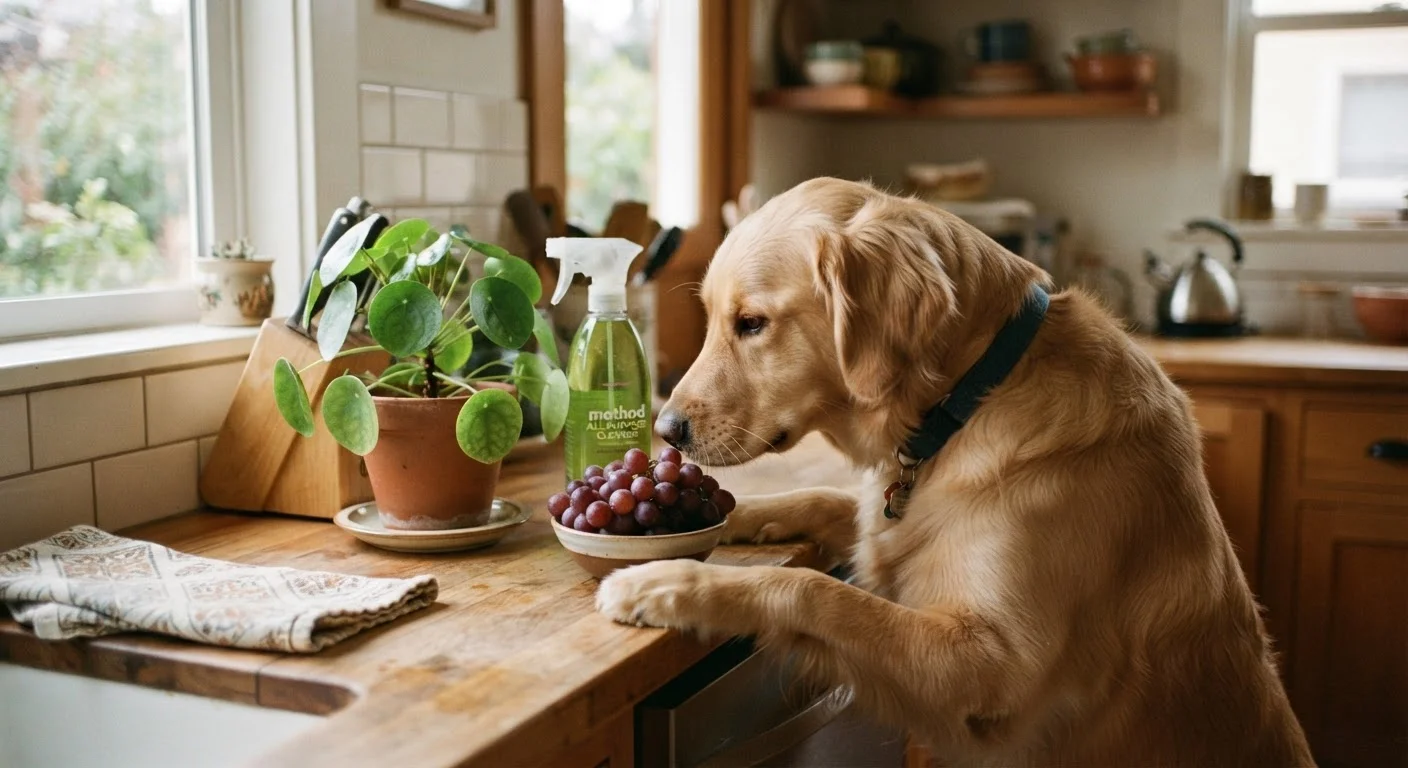
Photo credit: TurboBlogs.net | Explore Blogs At Turbo Speed
In this article
Many everyday foods, plants, and cleaning products are dangerous to cats and dogs. A reference guide to common toxins and the risks they pose.
Key Takeaways
- Many common foods, plants, and cleaning products found at home are toxic to cats and dogs.
- Even small amounts of certain substances - like xylitol or grapes - can cause life-threatening reactions in pets.
- Knowing what's dangerous allows you to pet-proof your home and act quickly in an emergency.
- If you suspect poisoning, contact a veterinarian or animal poison control hotline immediately.
- Toxic exposure risk increases when pets are left unsupervised or have access to unsecured storage areas.
Your Home May Be Hiding More Hazards Than You Think
Most pet owners know chocolate is off-limits for dogs. But the list of genuinely dangerous household substances is far longer - and far more surprising - than a single ingredient. Grapes, certain houseplants, common pain relievers, and everyday cleaning sprays can all cause serious harm to cats and dogs, sometimes in very small quantities.
This guide is a practical reference, not a substitute for professional care. If you believe your pet has ingested something toxic, contact your veterinarian or the ASPCA Animal Poison Control Center (a 24-hour resource) without delay. Understanding the risks ahead of time, though, puts you in a much stronger position to prevent an emergency in the first place. For cats specifically, exposure risks can shift dramatically depending on their lifestyle - the indoor vs. outdoor tradeoffs for your cat's wellbeing are worth weighing carefully.
Toxicity Varies by Species, Size, and Amount
A substance that causes mild stomach upset in a large dog might be life-threatening to a small cat or a young puppy. Individual health status - including age and underlying conditions - also affects how a pet responds to toxic exposure. Senior pets, in particular, may have reduced organ capacity to process harmful substances; our article on how senior pets' needs change with age touches on why older animals can be more vulnerable. Never assume a small exposure is automatically safe.
Common Household Toxins Pet Owners Should Know
Grapes and Raisins
Grapes and raisins are well-established as toxic to dogs, and the exact compound responsible still isn't fully identified - which makes them particularly unpredictable. Even a small serving has caused acute kidney failure in some dogs. Cats appear less likely to eat them, but the same caution applies. Keep them off counters and out of low fruit bowls.
Even a small amount of grapes or raisins can trigger acute kidney failure in dogs.
Xylitol (Artificial Sweetener)
Xylitol is found in sugar-free gum, certain peanut butters, some baked goods, oral care products, and vitamins. In dogs, it triggers a rapid release of insulin, causing dangerous drops in blood sugar (hypoglycemia), and at higher doses, liver failure. Always read ingredient labels before sharing any human food with your dog - "sugar-free" is a red flag worth checking.
Xylitol hides in sugar-free gum, some peanut butters, and vitamins - always check labels.
Human Medications (OTC and Prescription)
Common over-the-counter pain relievers - including ibuprofen, acetaminophen, and naproxen - are highly toxic to both dogs and cats. Acetaminophen is especially dangerous for cats, damaging red blood cells and the liver even in very small doses. Prescription medications left on nightstands or dropped on floors are a frequent source of accidental ingestion. Never give a pet any human medication without explicit veterinary guidance.
Acetaminophen can be lethal to cats in doses far smaller than a typical human tablet.
Toxic Houseplants
Many popular indoor and garden plants are poisonous to pets. Lilies (especially true lilies like Easter and tiger lilies) are severely toxic to cats - even small amounts can cause kidney failure. Sago palm is dangerous to dogs and cats alike, affecting the liver. Other plants to be cautious about include pothos, dieffenbachia, azaleas, and oleander. Before bringing a new plant home, cross-reference it with ASPCA's plant toxicity list.
True lilies are so toxic to cats that even nibbling a leaf can lead to kidney failure.
Cleaning Products and Disinfectants
Bleach, ammonia-based cleaners, phenol-containing disinfectants (found in some pine-scented products), and concentrated surface sprays can cause chemical burns to the mouth, respiratory irritation, and systemic toxicity if ingested or heavily inhaled. Cats are particularly vulnerable because they groom residue off their paws. Allow surfaces to fully dry and ventilate rooms before letting pets back in after cleaning.
Cats can absorb cleaning product residue through grooming paws that walked on wet surfaces.
Onions, Garlic, and Related Alliums
Onions, garlic, leeks, shallots, and chives - raw, cooked, or powdered - contain compounds that damage red blood cells in both dogs and cats, potentially leading to hemolytic anemia. Garlic is considered more potent per gram than onion. Because these ingredients appear in so many cooked dishes, table scraps can be a hidden source of exposure. This is especially relevant for cats and dogs who beg during meal prep or have access to kitchen waste.
Garlic powder in cooked food is still toxic - powdered forms are more concentrated than raw.
Rodenticides and Insecticides
Rat and mouse poisons are designed to be palatable - which makes them dangerous to pets as well as pests. Anticoagulant rodenticides can cause internal bleeding; some newer formulations are even more acutely toxic. Certain insecticides (including some flea and tick products formulated for dogs) can cause serious neurological harm if applied to or ingested by cats. Always store pest-control products in locked areas and verify species-specific safety before using any pesticide around pets.
Flea products labeled for dogs can be neurologically toxic to cats - always check species labeling.
Keep Emergency Numbers Accessible
Save your veterinarian's number and the ASPCA Animal Poison Control Center's hotline in your phone before you need them. In a poisoning situation, having those contacts ready can save critical minutes. Note that the ASPCA hotline may charge a consultation fee, so it's worth confirming that detail in advance.
How to Respond and What to Do Next
Speed matters with toxic exposure. If you witness ingestion or notice sudden symptoms - vomiting, lethargy, tremors, difficulty breathing, or seizures - don't wait to see if your pet improves on their own. Call your vet or a poison control hotline immediately and describe what was ingested, when, and how much. Bringing the product packaging helps.
Prevention is equally important. Store medications in latched cabinets, keep cleaning products out of reach, audit your houseplants, and be mindful of what hits the floor during meal prep. Unsupervised time at home raises exposure risk - our guide on leaving a pet home alone safely covers strategies for minimizing risk when you're away. And if you're noticing unusual behavior after a potential exposure, signs your pet may be in pain is a useful follow-up read.
This article is for general informational and educational purposes only and is not a substitute for veterinary advice, diagnosis, or treatment. Always consult a qualified veterinarian for concerns about your pet's health.

Author
Lifestyle & Shopping Editorial Team
Lifestyle & Shopping Editorial Team is the collective byline for our editorial team and contributor network. Articles published under this byline or an editorial pen name are researched, written, and reviewed according to our editorial standards for clarity, consistency, and independence before publication.
View all articles →