
Unit Price vs. Sticker Price: Which Number Actually Matters at the Store
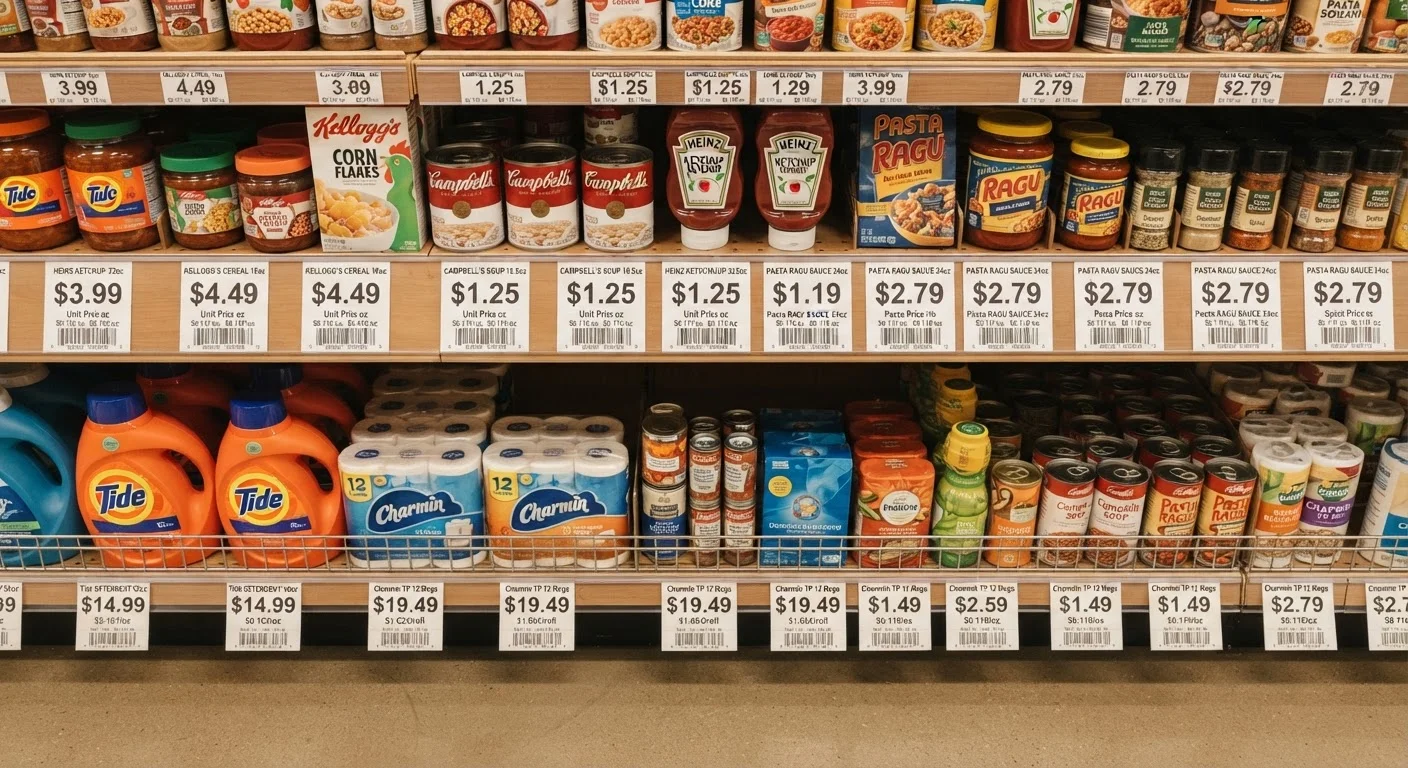
Photo credit: TurboBlogs.net | Explore Blogs At Turbo Speed
In this article
Sticker price tells you what you'll pay today. Unit price tells you what you're really getting. Here's how to read both and decide smarter.
Key Takeaways
- Sticker price only reflects the total you pay upfront, not how much value you receive.
- Unit price (cost per ounce, count, or measurement) is the most reliable way to compare products.
- Bigger packages don't always have a lower unit price - always verify before assuming.
- Most U.S. retailers are required to display unit prices on shelf tags, making comparison easier.
- Balancing both numbers helps you avoid overspending and minimize household waste.
What Each Number Actually Means
Walk down any grocery aisle and you're instantly hit with numbers - bold digits, colorful tags, crossed-out prices. But two specific figures matter most: the sticker price and the unit price.
The sticker price is simply the total amount charged at checkout for that specific item. It's what you hand over - or swipe - and it's easy to understand at a glance. A box of cereal tagged at $4.29? That's your sticker price.
The unit price, by contrast, breaks the cost down into a standardized measurement - typically per ounce, per count, per pound, or per fluid ounce. That same cereal box might display a unit price of $0.18 per ounce. This number lets you compare apples to apples (or, more accurately, cereals to cereals) regardless of package size or brand.
Think of it this way: sticker price tells you what today's purchase costs. Unit price tells you what you're actually buying for that money. Both are useful - but for very different decisions. As understanding how sale pricing works can reveal, a low sticker price doesn't always mean a genuine bargain.
How to Compare Them Side by Side
Here's a quick snapshot of how these two metrics stack up across the dimensions that matter most to everyday shoppers:
| Criterion | Sticker Price | Unit Price |
|---|---|---|
| What it shows | Total cost of the package | Cost per ounce, count, or unit |
| Best use | Budget control at checkout | Comparing value across sizes/brands |
| Where to find it | Large, prominent on tag | Smaller text, usually below sticker |
| Risk if ignored | Overspending or missing better deals | Buying more than needed or poor value |
| Affected by shrinkflation | Stays the same (misleading) | Rises, revealing the true change |
| Applies to bulk buying | Higher upfront, looks expensive | Often lower, shows long-term savings |
In practice, the most useful habit is to glance at the unit price first, then check the sticker price against your budget. If the unit price is favorable but the sticker price strains this week's grocery allowance, a smaller package might actually serve you better in the short term - even if the per-unit cost is slightly higher.
This connects to broader budgeting thinking: just as separating fixed from variable expenses helps you understand your real spending patterns, separating the sticker from the unit price helps you understand your real shopping patterns.
Common Traps Shoppers Fall Into
Even experienced shoppers get tripped up by a few recurring scenarios:
- Assuming bulk always wins. A warehouse-sized bottle of olive oil may have a lower unit price - but if it goes rancid before you finish it, you've lost money, not saved it.
- Ignoring different unit measurements. One product priced per ounce, another per count - comparing them directly doesn't work. Always ensure you're comparing the same unit type.
- Trusting sale stickers uncritically. A "sale" sticker on the sticker price doesn't guarantee the unit price is competitive. A smaller competitor brand at full sticker price could still offer a better deal per ounce.
- Shrinkflation blindspot. Manufacturers sometimes keep the sticker price steady while quietly reducing package size - which quietly raises the unit price. If a product feels like it's lasting less time than it used to, the unit price label will confirm your suspicion.
Watch Out for Shrinkflation
Shrinkflation occurs when a product's package gets smaller while the sticker price stays the same - or even rises slightly. The sticker price won't alert you to this change, but the unit price will. If you shop the same products regularly, glancing at the unit price each visit is the fastest way to spot a quiet price hike before it quietly drains your budget.
The same logic applies well beyond the grocery store. The sticker price of a car is just the entry point - fuel, insurance, and maintenance are the real unit-price equivalent of vehicle ownership.
Making the Numbers Work for Your Shopping Routine
The good news: most U.S. states require retailers to display unit prices on shelf tags for packaged grocery items. You don't have to do math on the fly - the number is usually right there, printed smaller beneath the sticker price.
~30+
U.S. states with unit pricing laws
Many U.S. states have enacted unit pricing regulations for grocery and retail stores, though requirements vary in scope and enforcement.
15-30%
Potential savings using unit price comparisons
Consumer advocacy organizations generally estimate that consistent unit price comparison can reduce grocery spending meaningfully over time, though individual results vary.
A practical approach is to build a quick mental checklist at the shelf: What's the unit price? Does this size fit my household's realistic usage? Is the sticker price within my budget for this trip? Three questions, fifteen seconds, and you'll almost always land on the smarter choice.
No single number tells the whole story. Sticker price and unit price are partners - one keeping your budget in check today, the other protecting your wallet over time. Use them together, and you'll consistently get more for what you spend.
This article is for general informational and educational purposes only and does not constitute financial advice. Readers should consider their own household needs and budgets when making purchasing decisions.

Author
Lifestyle & Shopping Editorial Team
Lifestyle & Shopping Editorial Team is the collective byline for our editorial team and contributor network. Articles published under this byline or an editorial pen name are researched, written, and reviewed according to our editorial standards for clarity, consistency, and independence before publication.
View all articles →