
Roof Maintenance for Non-Roofers
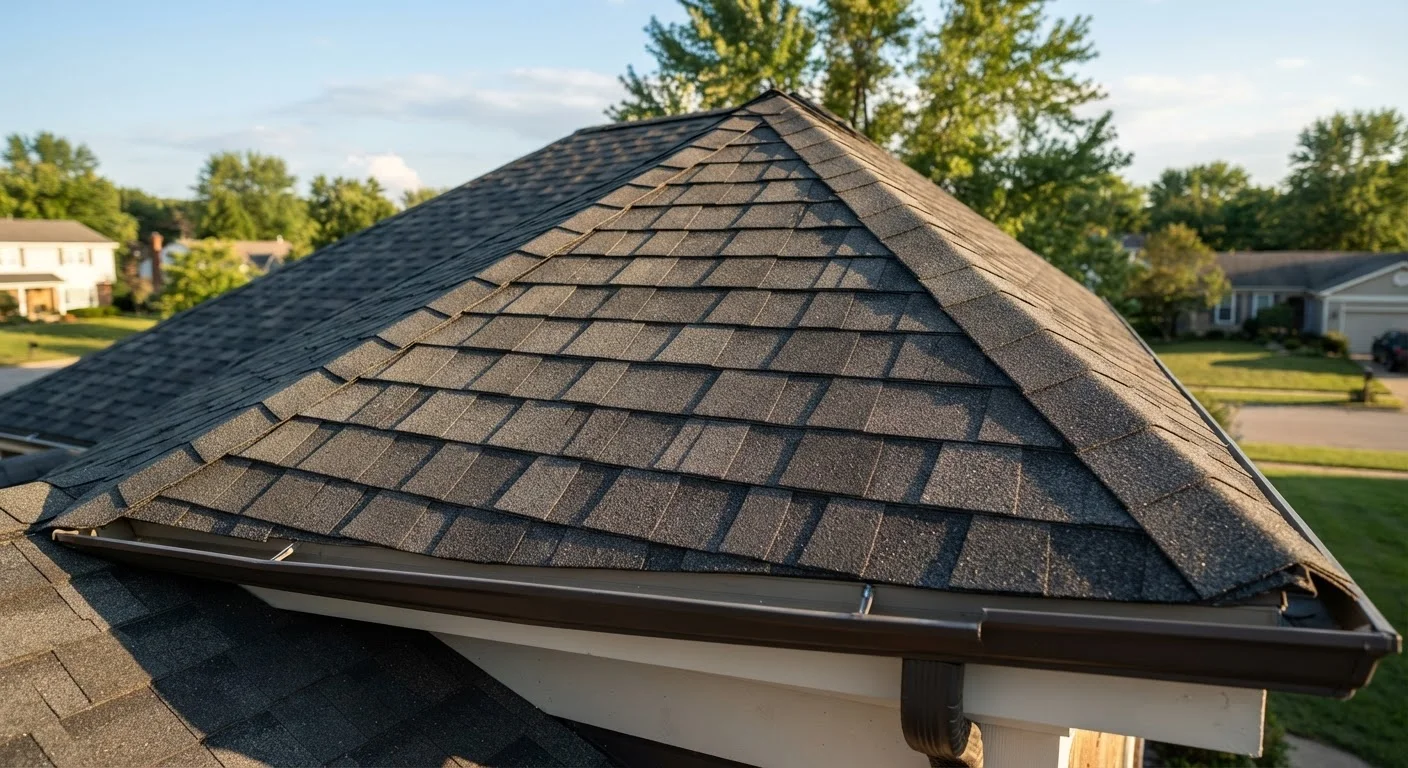
Photo credit: TurboBlogs.net | Explore Blogs At Turbo Speed
In this article
A beginner-friendly guide to understanding your roof's components, spotting early warning signs, and knowing when to call a licensed roofer.
Key Takeaways
- Most homeowners can safely perform visual roof inspections from the ground or attic - climbing is not required.
- Granule loss, missing shingles, and sagging are among the earliest and most important warning signs to recognize.
- Gutters, flashing, and ventilation are roof components that demand attention just as much as the shingles themselves.
- Any repair involving structural damage, electrical proximity, or steep pitch should be handled by a licensed professional.
- Twice-yearly inspections - typically spring and fall - catch most issues before they become costly repairs.
How Your Roof Is Built: The Basics
Understanding what makes up your roof helps you spot problems before they escalate. Most American homes use a layered system built to shed water, resist wind, and manage heat and moisture.
Roof deck
The solid base layer of a roof, usually made of plywood or OSB, onto which all other roofing materials are attached.
Underlayment
A water-resistant sheet material installed between the deck and the shingles to provide a secondary barrier against moisture.
Flashing
Thin metal strips installed at joints and penetrations - such as around chimneys or vents - to prevent water from seeping into the structure.
Granules
Small mineral particles embedded in the surface of asphalt shingles that protect against UV rays and weathering. Loss of granules signals shingle aging.
Ridge vent
A ventilation strip running along the peak of the roof that allows hot, humid attic air to escape, protecting both the roof structure and shingles.
Soffit
The underside of the roof overhang, where intake vents are typically located to draw fresh air into the attic as part of the ventilation system.
The deck (typically plywood or OSB board) forms the structural base. Over it lies the underlayment - a water-resistant felt or synthetic layer that acts as a secondary barrier. Shingles or other cladding materials are fastened on top of the underlayment and are the first line of defense against the elements.
Flashing - strips of metal installed around chimneys, skylights, vents, and roof valleys - is critical for sealing joints where water might otherwise penetrate. Poor or failed flashing is a leading cause of leaks. Ridge vents and soffit vents work together to keep air circulating through the attic, preventing heat and moisture buildup that can shorten shingle life and cause structural damage.
What You Can Safely Inspect Yourself
You do not need to climb onto your roof to conduct a meaningful inspection. In fact, walking on most residential roofs is not recommended - it poses fall risks and can crack or loosen shingles. Here is what you can do safely:
- Ground-level visual check: Use binoculars from the yard to scan for missing, curled, or discolored shingles and to spot obvious sagging along the ridge line.
- Attic inspection: On a sunny day, turn off attic lights and look for any daylight coming through the roof boards. Check rafters and sheathing for dark staining, soft spots, or water damage, which signal active or past leaks.
- Gutter check: During or after rain, observe whether gutters drain freely. Granule-filled gutters - the small mineral particles coating asphalt shingles - indicate shingles are wearing down. Gutters play a larger role in roof health than most homeowners realize, managing runoff that directly affects your roof's edges and fascia boards.
- Flashing visual scan: From the ground or a ladder at eave height (not on the roof itself), look for lifted, rusted, or separated flashing around chimneys and vents.
Binoculars Are Your Best Tool
A decent pair of binoculars lets you conduct a thorough shingle-by-shingle scan from your yard or driveway without ever leaving the ground. Check all roof planes, the ridge line, and the areas around any penetrations such as vents or chimneys. Doing this twice a year takes less than 15 minutes and costs nothing.
Warning Signs You Should Never Ignore
Early detection is the single most cost-effective roof maintenance strategy. Contact a licensed roofer if you notice any of the following:
- Missing or damaged shingles: Exposed decking is vulnerable to rapid water infiltration, especially during seasonal storms.
- Granule loss: Bald patches on shingles reduce UV and weather resistance. Heavy granule accumulation in gutters signals an aging roof.
- Sagging or soft areas: Sagging along the ridge, at the eaves, or in the roof plane may indicate structural damage to the deck or rafters - a situation requiring immediate professional assessment.
- Interior water stains: Yellowish or brownish ceiling stains that appear or grow after rain strongly suggest a roof leak rather than a plumbing issue. Wall cracks and moisture stains can sometimes signal overlapping structural concerns worth evaluating together.
- Daylight in the attic: Any visible light entering through the roof boards means the protective layers have been compromised.
- Excessive energy bills: A sudden spike in heating or cooling costs sometimes points to failed attic ventilation, which is closely tied to roof system performance.
Do Not Delay on Sagging or Structural Signs
Sagging roof sections are not a cosmetic issue - they can indicate compromised decking or rafter damage that may worsen rapidly under rain or snow load. If you observe any sagging, soft areas, or significant visible deformation in your roof plane, contact a licensed roofer promptly rather than waiting for your next scheduled inspection.
When to Call a Licensed Roofer
Roof repair and replacement fall into the category of work that typically requires permits, professional equipment, and liability coverage. A licensed roofer should handle any situation involving:
- Structural repairs to decking, rafters, or ridge boards
- Full or partial shingle replacement
- Flashing repair or re-sealing around penetrations
- Any roof section with a steep pitch that cannot be safely reached from a ladder at eave height
- Storm damage assessment - particularly after hail or high winds - especially if you plan to file an insurance claim
When hiring, verify that the contractor is licensed in your state, carries general liability and workers' compensation insurance, and is willing to provide a written estimate detailing the scope of work. Permit requirements for roofing work vary by municipality; ask your contractor whether a permit is needed and confirm it before work begins.
Permits and Inspections Vary by Location
Roofing permit requirements differ widely across U.S. municipalities. Some jurisdictions require permits for any roof replacement; others have thresholds based on the area being replaced. Skipping a required permit can create complications when you sell your home or file an insurance claim. Always confirm local requirements with your city or county building department before work begins.
Fitting Roof Care Into Your Overall Maintenance Plan
Roof maintenance is most effective when it is woven into a broader seasonal schedule rather than treated as a reactive emergency task. Spring and fall are the ideal inspection windows - spring lets you assess winter damage, while fall prepares your roof for ice, snow, and freezing rain.
A practical annual rhythm looks like this: clear debris from the roof surface and gutters after leaf fall, visually inspect shingles and flashing before the first freeze, check the attic for moisture or ventilation issues in late winter, and do a full ground-level scan each spring. For broader context on structuring these tasks by season and system, see our guide to building a realistic home maintenance schedule.
If you are new to homeownership, the roof is a natural starting point for building maintenance awareness. Our guide for first-time homeowners covers how to prioritize across all your home's systems without feeling overwhelmed. Other home systems - from HVAC maintenance to plumbing upkeep - follow the same principle: know what you can monitor, and know when to call a professional.
This article is for general informational and educational purposes only. Roofing work involves safety risks and may be subject to local permit and licensing requirements. Always consult a qualified, licensed roofing contractor before undertaking any repairs, and verify applicable local codes and regulations with your municipality.
Frequently Asked Questions

Author
Home & Real Estate Editorial Team
Home & Real Estate Editorial Team is the collective byline for our editorial team and contributor network. Articles published under this byline or an editorial pen name are researched, written, and reviewed according to our editorial standards for clarity, consistency, and independence before publication.
View all articles →